Ayurveda at the Nagarjuna Centre
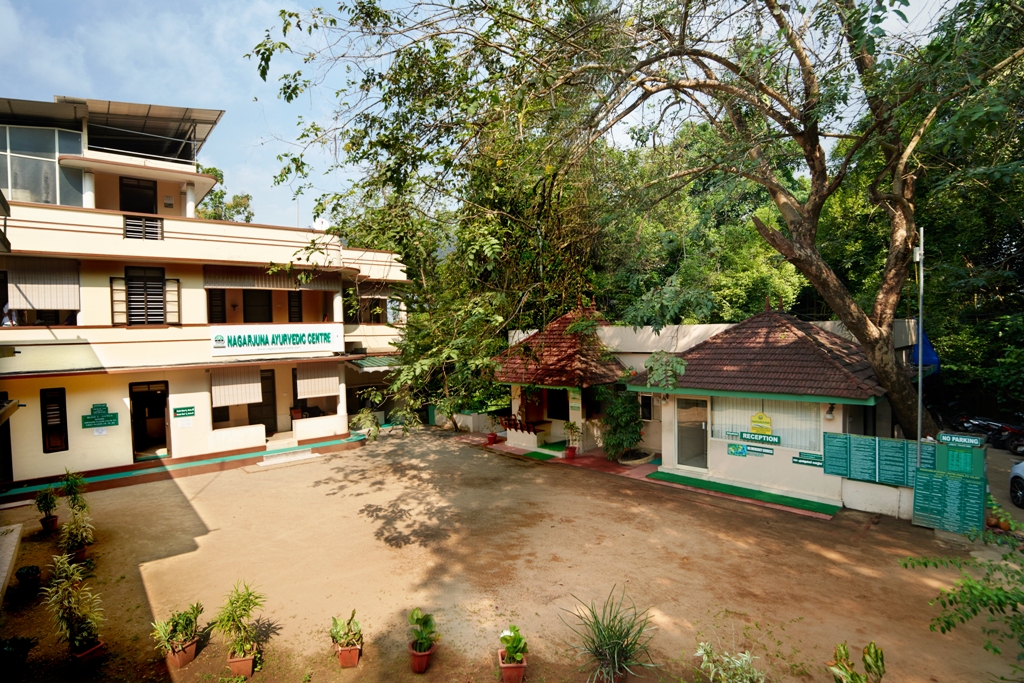


Description
Nagarjun Ayurvedic Centre (NAC) – one of the major divisions of the eponymous Nagarjuna Ayurvedic Group, playing an important role in promoting the centuries-old experience of Vedic medicine.
Location — Kerala state, Kalady town.
Distance to Cochin Airport — 10 km, 25 minutes by car.
Distance to the beach – 37 km. 50 mins by car.
The Nagarjuna Ayurvedic Group is currently comprised of 5 divisions:
- Nagarjuna Herbal Concentrates Ltd (manufacturers of ayurvedic pharmaceutical products);
- Ayurvedic Centre Ltd (network of Ayurvedic medical and wellness centres in India);
- Ayurvedic Institute (its own international-level research institute for training specialist Ayurvedic doctors);
- Research and Development Wing of Nagarjuna (the largest scientific research sector with a laboratory, quality control and certification department);
- Social Service Society (a company whose mission is the cultivation and breeding of medicinal herbs and plants).
As can be seen from the specialisation of its divisions, the NAC group of companies, in addition to providing Ayurvedic medicine services, is involved in the production of pharmaceutical products, the majority of which consist of self-cultivated medicinal plants, as well as research work, training specialists for work in Ayurvedic medical and health centres, and popularising Ayurvedic knowledge through the mass media.
A group of Ayurvedic companies proudly bears the name of the great Buddhist philosopher and thinker Nagarjun, who lived approximately in the 2nd-3rd centuries. From Sanskrit, «nagarjun» translates as «silver serpent,» which signifies immortality and eternal life. It is he who entwines the Bowl of Hygieia – a symbolic sign of medicine.
Key features of the clinic
The Nagarjuna Ayurvedic Centre is located in the exotic south-western state of Kerala, in the city of Cochin, on the banks of the Periyar River, near the Malabar Coast of the Arabian Sea. This is a true Indian Venice, one of the 10 heavenly places on Earth. The picturesque country is not accidentally nicknamed the Indian forge of health, as it is considered the cradle of Ayurveda.
It is here that Nagarjuna decided to begin the revival of Ayurveda as India's premier wellness system. Traditional, time-tested methods are used in conjunction with the latest modern technologies for the popularisation of authentic medicine. The clinic is visited annually by patients from over 70 countries worldwide.
The largest Ayurvedic treatment resort NAC holds the following certificates:
- Official accreditation at the state level by NABH (National Accreditation Board for Hospitals & Healthcare Providers). This document confirms the high quality of services provided by the Nagarjuna Ayurvedic Centre. The full accreditation process for healthcare facilities with NABH requires at least one year of inspection, compliance with 100 standards and 500 measurable parameters: from patient care to the quality of medical services provided.
- ISO 9001-2008 certification by the International Organization for Standardization, demonstrating the company's highly organised quality management system. This certification signifies the highest quality of services to the highest standards.
- The highest assessment of activity is also the certificate from the «Greenleaf» fund, confirming the highest standard of healthy living.
- Nagarjuna has also received official recognition from the Kerala government as the best medical and wellness centre with unique scientific developments. It is here that non-standard treatment methods for the musculoskeletal system, gynaecological diseases, and the consequences of an unhealthy lifestyle have been developed.
Treatments and procedures offered at the Nagarjuna clinic
The clinic offers patients traditional Ayurvedic treatments, as well as a comprehensive range of modern medical care for rehabilitation and treatment. NAC's main specialisation is Panchakarma, a special Ayurvedic detoxification programme that frees the body from toxins, restores health, cures ailments, purifies the mind, and directs consciousness by eliminating the stresses that provoke many diseases.
Nagarjuna is a unique centre that brings together the traditions of the outstanding Ayurveda physicians Ashtavaidya and Ariyavaidya, the latest technologies of modern medicine, and scientific developments under one roof.
The trend towards a symbiosis of modern diagnostic and research methods with Ayurvedic treatments reduces the boundaries between classical and alternative medicine. Furthermore, such continuity helps to achieve the best effectiveness in treatment methods and the selection of Ayurvedic therapy approaches. In the practice of Ayurvedic hospitals, modern techniques are mainly used at the diagnostic stage.
Nagarjuna, focusing on Ayurveda as the primary tool of India's healthcare system, prioritises the following areas in its activities:
- popularisation and dissemination of the true values of Ayurveda;
- Conducting scientific and clinical research into Ayurvedic methods and medicinal products.;
- Production and sale of high-quality natural Ayurvedic products.;
- Providing a full range of authentic Ayurvedic treatments.
Nagarjuna is a large, modern, comprehensive treatment centre capable of providing clients with all the necessary facilities and services of a top-class wellness resort. Medical practice is conducted in strict accordance with treatment protocols developed and tested by the Nagarjuna Ayurvedic group. All of them are based on standards proven by time-tested Ayurvedic treatises and the ancient philosophy they embody.
The Nagarjuna complex of healing and wellness treatments is today fully capable of meeting patients' treatment needs, ensuring their physical, moral, mental, and spiritual recovery. The Nagarjuna Ayurvedic Center is ready to offer clients:
- thorough comprehensive disease diagnosis, full laboratory examination;
- Personalised treatment with a psychosomatic approach, based on the patient's current circumstances, taking into account their emotional state, based on ancient knowledge of the psychophysiological structure and body types – tridosha;
- Sterile, fully equipped procedural rooms with the latest technology, well-staffed, with separate facilities for men and women.;
- the ability to use products of own manufacture in the NAC pharmacy with medicinal preparations from pure plants and herbs;
- constant supervision by a personal physician and the possibility of monitoring the treatment process by other qualified physicians;
- Carrying out necessary therapy to relieve painful symptoms, treat illnesses, and manage acute/chronic conditions.;
- availability at any moment of an allopathic (conventional) doctor to address specific patient wishes and requirements;
- Regular treatment reviews, follow-up recommendations by email, fax and phone.
Facilities and services at Nagarjuna Ayurvedic Centre
Nagarjun Ayurvedic Centre adheres to high standards of quality not only in its therapeutic activities but also in the provision of services in terms of patient convenience and comfort. For example, services provided by female doctors have been specially organised for female patients.
A hospital with a worldwide reputation provides all the conditions for comfortable living, proper nutrition, and engaging leisure activities. At the NAC Clinical Centre, patients can expect:
- Spacious, bright, modernly furnished, cosy living rooms for stays (air conditioning available upon request);
- A clean kitchen, equipped with all necessary modern utensils, for conducting masterclasses on vegetarian cuisine by professional chefs, and for self-catering;
- A dining room intended for full board with three meals a day: breakfast, lunch, and dinner;
- Sattvic vegetarian diet of pure foods that purifies the body and calms the mind.;
- A library with a vast catalogue of books and periodicals on Ayurveda, philosophy, art, and culture of India in various world languages.;
- The ability to use all means of communication with the outside world: telephone, internet, email, fax;
- Broadband Wi-Fi connection allowing internet access anywhere in the hospital.;
- Laundry services;
- Travel agency;
- Transfer for route «airport-resort-airport», Cochin International Airport is located just 10 km from the Nagarjuna Hospital (25 minutes by car).
In-house Drug Manufacturing
The worldwide fame of Ayurvedic products under the Nagarjuna Herbal Concentrates Ltd brand came in 1989. This year is considered the beginning of NHCL's xuất khẩu onto the foreign market. Its global mission became the provision and promotion of effective healthcare for people worldwide through the accessibility of Ayurvedic teachings and preparations.
Within a short space of time, the NHCL company has rapidly become one of the world leaders in the production and export of Ayurvedic remedies. Currently, NHCL's range of Ayurvedic products includes around 600 items for the therapy of the main group of most diseases and is supplied to 28 countries worldwide.
Today, Nagarjuna Herbal Concentrates Ltd produces:
- Ayurvedic medicinal products according to the classical recipes from ancient Ayurvedic treatises (Charaka Samhita, Sushruta Samhita, etc.);
- Proprietary Ayurvedic medicines – the company’s own developments based on scientific research, laboratory expertise, and clinical trials, which have shown a positive effect during treatment;
- Over-the-counter Ayurvedic and herbal products are remedies that are safe for health with an effective, yet milder, impact.
All NHCL products are made exclusively from plant-based, natural, organic components using the latest technologies. All unique recipes are borrowed from ancient Vedic treatises, their therapeutic effectiveness and benefits are time-proven.
Nagarjuna Ayurvedic products' quality and safety are confirmed by international ISO and GMP certification. All research, scientific, laboratory divisions, and control and certification sectors operate with the permission of the official authorities of India:
- Department of Scientific and Industrial Research (DSIR);
- the Committee for the Purpose of Control and Supervision of Experiments on Animals (CPCSEA);
- Management of Ayurveda, Yoga & Naturopathy, Unani, Siddha, Sowa Rigpa and Homoeopathy (AYUSH);
- Pharmaceutical Laboratory of Indian Medicine (PLIM);
- other regulatory bodies of the Indian government overseeing the production of raw materials and finished goods.
Today, Nagarjuna Herbal Concentrates Ltd has divisions in 19 states in India and 6 zonal organisations that act as distribution services throughout the country. Production facilities, pharmaceutical plants, laboratories, and research centres are equipped with state-of-the-art equipment, for example, a Chromatographic Finger Printing (CFP) instrument for standardising medicinal raw materials and an Atomic Absorption Spectroscope (AAS) for analysing the concentration of heavy metals in raw materials and finished products.
Despite the corporation's commitment to the ideals of authentic Ayurveda, its management possesses a modern outlook, recognising that in the 21st century there are certain limitations in the availability and application of traditional Ayurvedic remedies in their original form. Therefore, the employees of the corporation's research organisations have invested considerable, Herculean effort in transforming them into a more user-friendly format.
So, a range of plant-based syrups and liquid extraction preparations have been converted into a more patient-friendly, modern tablet or capsule form. As a result, over 100 original brand name preparations for therapy and wellness treatments have been created under the Nagarjuna Ayurvedic brand, all of which are the company's own development by NHCL.
Among Nagarjuna Ayurvedic's most popular products are the herbal jams Avaleha (lehyi or Rasayanas), which are deservedly called elixirs of longevity. Famous massage oils have also earned a reputation for promoting relaxation and strengthening bone tissue, while simultaneously relieving headaches, and even curing colds and a number of other ailments.
Treatment programmes
Nagardjuna Clinic offers up to 20 different Ayurvedic treatment programs lasting from 14 to 42 days. To obtain a deep effect and real results from the treatment, patients must stay at the Ayurvedic hospital for at least 2-3 weeks. Your trip to India for less than this period will not yield the expected results.
It is also important to consider that the appointment of each Ayurvedic program is individual; it all depends on the constitution, lifestyle, and profile of the individual’s disease. The patient may only be prescribed a detox program in the initial phase (which lasts 2-3 weeks), or a complete Panchakarma program for deep cleansing of the body, which will require the maximum duration of up to 42 days.
The therapeutic programs of the Ayurvedic hospital include treatment of:
- specific patient diseases;
- course of detoxification and deep cleansing of the body;
- stress management;
- Boosting immunity – restoring the body's biological defence system against infections.;
- Specialised geriatric procedures for active longevity;
- Unique methods for restoring spinal functions.
In addition to the above, patients are offered unique NAC techniques developed on the most ancient postulates of Ayurveda:
- Wellness programmes for relaxation, rejuvenation and active longevity;
- Life management programmes for improving patient quality of life, based on restoring bodily functions and balancing all energies.;
- Yoga classes and meditation under the guidance of experienced instructors;
- Introductory sessions on Ayurveda, Ayurvedic lifestyle, Indian philosophy.;
- Culinary masterclasses for learning to prepare a special, balanced vegetarian diet.
The course of any therapeutic and wellness program in Nagpur is a synthesis of Ayurvedic procedures, yoga, including asanas (exercises), pranayama (breathing practices), shatkarma (cleansing processes), mantras, meditation, vegetarian diet, and various spiritual discourses.
*This is not a complete list of programs offered by the Nagpur Ayurvedic Center.
Detox and Recharge Programme (Light)
- Detoxification, thorough cleansing;
- 7 days – various oiling and sweating techniques using internal medicines. Nasya (face, neck, shoulders), Dhara (pouring oil or herbal decoction), and others.;
- Day 1 - Cleansing;
- 7 days – rejuvenating treatments (includes Vasti: Sneha Vasti – detoxification and Kashaya Vasti – herbal enema).
Detox and Recharge Programme (Advanced)
- Detoxification, thorough cleansing
- 10 days - preparation for detoxification
- Day 1 - Detoxification Process
- 10 days – Rejuvenating treatments
Panchakarma - Deep cleansing
The program is recommended for chronic diseases, the accumulation of toxins, digestive disorders, reduced immunity, skin problems, joint pain, stress, and for deep cleansing of the body.
Methodology
Panchakarma is one of the main detoxification programs of Ayurveda. In Sanskrit, the name translates as «five ways of therapy,» and each of them works with the body’s own system. The full course includes not only procedures but also a strict vegetarian diet, steam baths, and cleansing practices that prepare the body to eliminate toxins. After completing the course, accumulated toxins and parasites are eliminated from the body, the balance of doshas is restored, clarity of mind and inner peace return. The course of procedures is tailored individually after diagnosis—depending on the patient’s condition and goals.
Five main methods of therapy:
- Basti — enemas made from oils and herbs for cleansing and nourishing the lower parts of the body
- Nasya — cleansing the nasal sinuses with natural vegetable oils
- Vamana — controlled cleansing through the upper respiratory tract
- Virechana — cleansing the intestines with herbal preparations
- Raktamokshana — bloodletting (under strict indications)
The program also includes:
- Massage with herbal oils
- Steam baths
- Kitchari diet (rice basmati or millet with herbs and spices)
- Other cleansing practices
- Consultations and supervision by a doctor throughout the course
Outcome
Deep cleansing of the body, restoring the balance of doshas, relief from chronic conditions, clarity of mind, inner peace, and a sense of complete reset of the body and mind.
The program is designed strictly individually. The full course requires physical fitness and is conducted under the supervision of a doctor.
Degenerative diseases of the intervertebral discs
The program is recommended for osteochondrosis, protrusions and herniated discs, spinal stiffness, pain in the lower back and neck, numbness, tingling, and weakness in the hands or feet caused by nerve compression.
Methodology
With age, the intervertebral discs lose moisture and cushioning—resulting in stiffness, pain, and bone spurs that compress the nerve roots. At the Nagarjun Ayurvedic Center, we don’t just relieve the symptoms; we address the underlying cause: nourishing and restoring the disc tissue, relieving inflammation, freeing pinched nerves, and strengthening the muscular corset so the spine can regain support. Each plan is customized after diagnosis—depending on the location of the lesion and the extent of the changes.
The programme includes:
- Consultation with a doctor and diagnosis of the spine condition
- Abhyanga is an oil massage of the back and affected areas.
- Svedana is a herbal tea for opening up the channels and relieving tension
- Local Bastis — Kati Bastis (collarbone), Griva Bastis (neck) and other point procedures
- Healing oils and herbal preparations for nourishing the tissues of the discs
- Gentle exercises and stretching to strengthen muscles and stabilize the spine
- Recommendations for posture, biomechanics, and lifestyle
Outcome
Reduction of pain and stiffness, restoration of spinal mobility, reduction of numbness and weakness, strengthening of muscles, and the ability to lead an active lifestyle again.
Ankylosing spondylitis (Behterev's disease)
The program is recommended for ankylosing spondylitis, chronic pain and stiffness in the lower back and spine, inflammation of the joints (hip, shoulder, knee), morning stiffness, fatigue, and to slow the progression of the disease and maintain mobility.
Methodology
Ankylosing spondylitis is a chronic inflammatory disease in which the vertebrae can fuse over time, and the spine loses its flexibility. At the Nagarjun Ayurvedic Center, we work with two goals simultaneously: relieving active inflammation and pain, as well as preserving and restoring the mobility of the spine and joints. The Ayurvedic approach complements the main treatment: cleansing the body of toxins, nourishing the tissues, calming the nervous system, and strengthening the muscles that support the spine. The program is tailored individually based on the degree of inflammation, the location of the changes, and the overall condition.
The programme includes:
- Consultation with a doctor and diagnosis of the condition of the spine and joints
- Abhyanga is an oil massage of the back and affected joints
- Svedana is a herbal patch for relieving stiffness and improving mobility
- Local Bastis – Kati Bastis (neck), Griva Bastis (neck), Janu Bastis (knees), and other point procedures
- Medicinal oils and herbal preparations for relieving inflammation and nourishing tissues
- Gentle exercises, stretching, and breathing practices to maintain flexibility and posture
- Recommendations for nutrition, lifestyle, and stress management
Outcome
Reduction of pain and morning stiffness, preservation and restoration of spinal and joint mobility, reduction of inflammation, strengthening of the muscular corset, and support for an active lifestyle.
The Ayurvedic program is an addition to the main treatment prescribed by the rheumatologist and does not replace it. A consultation with the center’s doctor is recommended before starting.
Pain in the back and neck
The program is recommended for vague back and neck pain, as well as for the prevention of cervical and lumbar spondylosis, sciatica, muscle spasms, limited mobility, protrusions and herniations caused by an unhealthy lifestyle.
Methodology
The spine is the main support of the body, and it is on it that the load from sitting work, weak muscles, and gravity falls. When the muscles surrounding the vertebrae lose their tone, the discs shift, resulting in pain and stiffness. At the Nagarjun Ayurvedic Center, we work not only with the symptom: the main focus is on strengthening and increasing the tone of the muscles and soft tissues that support the spine. The treatment is complemented by gentle cleansing, nourishment of tissues, and lifestyle adjustments to ensure the results last a long time. The plan is created individually after diagnosis—depending on the area affected and the cause of the pain.
The programme includes:
- Consultation with a doctor and diagnosis of the spine condition
- Abhyanga is an oil massage of the back and neck to relieve tension and nourish the tissues.
- Svedana is a herbal tea for opening up the airways and relieving muscle spasms.
- Local Bastis — Kati Bastis (collarbone), Griva Bastis (neck) and other point procedures
- Healing oils and herbal remedies for relieving inflammation and strengthening tissues
- Gentle exercises and stretching to strengthen the muscular corset
- Recommendations for posture, biomechanics, and lifestyle for the prevention of relapses
Outcome
Reduction of pain and stiffness, restoration of neck and back mobility, strengthening of muscles and soft tissues, improvement of posture and ability to lead an active lifestyle again.
Pain in the cervical spine (neck pain)
The program is recommended for cervical spondylosis, pain and stiffness in the neck, headaches, numbness and tingling in the hands, muscle weakness, and limited neck mobility.
Methodology
With age, the structures of the cervical spine—the discs, joints, and ligaments—wear down, causing bone spurs and inflammation. This leads to pain that can radiate to the shoulders, arms, and hands. At the Nagarjun Ayurvedic Center, we work with the cause rather than just the symptoms: we relieve inflammation and muscle tension, nourish the tissues of the neck, release pinched nerve roots, and strengthen the muscles that support the spine. Special attention is paid to posture and ergonomics—without these, the pain returns. Treatment is tailored individually after diagnosis.
The programme includes:
- Consultation with a doctor and diagnosis of the condition of the cervical spine
- Abhyanga is an oil massage of the neck, shoulders, and upper back
- Svedana is a herbal tea for relieving spasms and improving mobility
- Griva Basti is a local procedure using warm oil on the neck area.
- Medicinal oils and herbal preparations for relieving inflammation and nourishing tissues
- Gentle exercises and stretching to strengthen the muscles of the neck
- Recommendations for posture, ergonomics, and lifestyle
Outcome
Reduction of pain and stiffness, restoration of neck mobility, reduction of headaches and numbness in the hands, muscle strengthening, and prevention of relapses.
Intervertebral disc protrusion
The program is recommended for protrusion and herniation of the intervertebral disc, pain in the lower back, thighs, hips, and legs, numbness, tingling, and weakness in the limbs, as well as sciatica caused by compression of the nerve roots.
Methodology
With protrusion, the outer layer of the disc weakens, and its inner contents protrude beyond the normal limits, irritating or compressing the nearby nerves. This leads to pain that can radiate to the legs, as well as numbness and weakness. At the Nagarjun Ayurvedic Center, they work to address the cause: they relieve inflammation and tension around the affected disc, nourish and strengthen the surrounding tissues, release pinched nerve roots, and form a muscle corset that holds the spine in place. Without strengthening the soft tissues, adjacent joints are also at risk, so the focus is not only on relieving pain but also on preventing relapses. The treatment plan is tailored individually after diagnosis—depending on the degree of protrusion and its location.
The programme includes:
- Consultation with a doctor and diagnosis of the spine condition
- Abhyanga is an oil massage of the back and the affected area.
- Svedana is a herbal tea for relieving muscle tension and improving blood circulation
- Local Bastis — Kati Bastis (collarbone) and other point procedures
- Healing oils and herbal preparations for relieving inflammation and nourishing the disc tissue
- Gentle exercises and stretching to strengthen the muscles of the torso and improve flexibility
- Recommendations for posture, biomechanics, and lifestyle for the prevention of relapses
Outcome
Reduction of pain and inflammation, reduction of numbness and weakness in the legs, restoration of mobility, strengthening of the muscles and soft tissues that support the spine, and the ability to return to an active life without the risk of repeated exacerbations.
Lumbar region (back pain)
The program is recommended for lower back pain, muscle spasms and strains, the consequences of improper posture and sedentary work, as well as for pain caused by a herniated disc or arthritis.
Methodology
The lower back takes on the main burden when lifting weights, sitting for long periods, and when the muscles are weak. This leads to spasms, inflammation, and pain that limits daily activity. At the Nagarjun Ayurvedic Center, we work not only with the symptoms: we relieve muscle tension and inflammation, nourish the tissues of the lower back, strengthen the muscles and soft tissues that support the spine, and correct posture and biomechanics. This approach not only helps relieve pain but also reduces the risk of its recurrence. The program is tailored individually after diagnosis—depending on the cause and the degree of changes.
The programme includes:
- Consultation with a doctor and diagnosis of the condition of the lumbar spine
- Abhinya is an oil massage of the lower back and spine to relieve spasms.
- Svedana is a herbal tea for relaxing the muscles and improving blood circulation
- Kati Basti is a local procedure using warm oil applied to the lower back area.
- Medicinal oils and herbal preparations for relieving inflammation and nourishing tissues
- Gentle exercises and stretching to strengthen the muscles of the body
- Recommendations for posture, biomechanics, and lifestyle for prevention
Outcome
Reduction of pain and muscle spasms, restoration of hip mobility, strengthening of muscles and soft tissues, improvement of posture and the ability to return to usual activities without discomfort.
Sciatica is a pain in the sciatic nerve
The program is recommended for sciatica, shooting pain along the sciatic nerve, numbness and tingling in the leg or foot, muscle weakness, and difficulties with sitting, standing, and walking.
Methodology
Sciatica is not a separate disease, but a result of compression or irritation of the sciatic nerve, most often due to a herniated disc, stenosis, or muscle spasms in the lower back. The pain is felt from the lower back through the thigh to the hip and leg, and sometimes is accompanied by numbness and weakness. At the Nagarjun Ayurvedic Center, we work with the cause: we relieve inflammation and muscle tension in the lower back, release the pinched nerve, nourish the tissues, and strengthen the muscles that support the spine. This not only reduces the pain but also eliminates its source. The treatment program is tailored individually after diagnosis—depending on the cause of compression and the severity of symptoms.
The programme includes:
- Consultation with a doctor and diagnosis of the condition of the lumbar spine and sciatic nerve
- Abhijanga is an oil massage of the lower back, buttocks, and legs along the nerve.
- Svedana is a herbal tea for relieving muscle spasms and improving blood circulation
- Kati Basti is a local procedure using warm oil applied to the lower back area.
- Healing oils and herbal preparations to relieve inflammation and nourish nerve tissue
- Gentle exercises and stretching to strengthen muscles and reduce pressure on the nerves
- Recommendations for posture, movement, and lifestyle for the prevention of relapses
Outcome
Reduction of pain and inflammation, reduction of numbness and weakness in the leg, restoration of mobility, strengthening of the lumbar muscles, and the ability to sit, stand, and walk again without discomfort.
Spinal canal stenosis
The program is recommended for stenosis of the cervical and lumbar regions, pain, numbness, tingling, and weakness in the hands or legs, as well as for symptoms that worsen with walking and standing and weaken in a seated position or when leaning forward.
Methodology
Stenosis is a narrowing of the spinal canal that causes pressure on the spinal cord and nerve roots. Most often the cause is age-related degeneration: thickening of the ligaments, bone growths, and a decrease in the height of the discs. At the Nagarjun Ayurvedic Center, we work with the cause of compression: we relieve inflammation and tension in the surrounding tissues, nourish and strengthen the structures of the spine, release pinched nerves, and form a muscular corset that maintains the canal in a stable position. Special attention is paid to movement and posture—these are the factors that determine how severe the symptoms are. The plan is created individually after diagnosis—depending on the department and the degree of compression.
The programme includes:
- Consultation with a doctor and diagnosis of the spinal canal condition
- Abhyanga is an oil massage of the back and affected area to relieve tension.
- Svedana is a herbal tea for relaxing the muscles and improving blood circulation
- Local Bastis — Griva Bastis (neck) or Kati Bastis (collarbone) according to indications
- Medicinal oils and herbal preparations for relieving inflammation and nourishing tissues
- Gentle exercises and stretching to strengthen muscles and reduce pressure on the canal
- Recommendations for posture, movement, and lifestyle for the prevention of exacerbations
Outcome
Reduction in pain and discomfort, reduction in numbness and weakness, improvement in mobility, strengthening of the muscles supporting the spine, and the ability to walk and stand for longer without worsening symptoms.
Spinal stenosis - displacement of the vertebrae
The program is recommended for spondylolisthesis of I–III degrees, pain in the lower back and buttocks, radiating pain in the legs (ischia), numbness, tingling, and muscle weakness, as well as for instability of the lumbar spine.
Methodology
Spinal stenosis is the displacement of one vertebra forward relative to the lower one, most often in the lumbar region. The cause is a defect in the bony intervertebral disc, degenerative changes, or repeated overload. The displacement disrupts the stability of the segment and can compress the nerves, causing pain and weakness in the legs. At the Nagarjun Ayurvedic Center, we work with the cause: we relieve inflammation and muscle tension, nourish and strengthen the structures that support the spine, release pinched nerve roots, and form a muscle corset that holds the segment in a stable position. Special attention is paid to movement and posture — without this displacement can progress. The treatment course is prescribed individually after diagnosis — depending on the degree of displacement and the level of damage.
The programme includes:
- Consultation with a doctor and diagnosis of the spine condition
- Abhyanga is a massage oil for the lower back and spine to relieve tension.
- Svedana is a herbal tea for relaxing the muscles and improving blood circulation
- Kati Basti is a local procedure using warm oil applied to the lower back area.
- Medicinal oils and herbal preparations for relieving inflammation and nourishing tissues
- Gentle exercises and stretching to strengthen the muscles of the torso and stabilize the spine
- Recommendations for posture, movement, and lifestyle for the prevention of progression
Outcome
Reduction of pain and inflammation, reduction of numbness and weakness in the legs, strengthening the muscles supporting the spine, restoration of segment stability, and the ability to return to an active life without the risk of further displacement.
Shoulder joint periphratic arthritis (Frozen shoulder)
The program is recommended for stiffness and pain in the shoulder joint, limited hand mobility, pain at rest and during movement, as well as in the stages of «freezing,» «stiffness,» and recovery.
Methodology
In shoulder girdle-related periarthritis, the joint capsule becomes inflamed and thickens, resulting in adhesions and scar tissue. The shoulder loses its mobility and the pain increases during movement and at rest. At the Nagarjun Ayurvedic Center, inflammation and tension in the surrounding muscles are relieved, the tissue in the joint is nourished, adhesions are softened, and range of motion is gradually restored. Special attention is paid to the soft development of the shoulder—no sudden movements that could worsen the pain. Therapy is tailored individually after diagnosis—depending on the stage of the disease and the degree of limitation.
The programme includes:
- Consultation with a doctor and diagnosis of the condition of the shoulder joint
- Abhyanga is an oil massage of the shoulders, neck and upper back
- Svedana is a herbal tea for relieving tension and improving mobility
- Local procedures with warm oil on the shoulder joint area as indicated by the doctor
- Medicinal oils and herbal preparations for relieving inflammation and nourishing tissues
- Gentle exercises and stretching to gradually restore the range of motion
- Recommendations for movement, posture, and lifestyle for the prevention of relapses
Outcome
Reduction of pain and stiffness, gradual restoration of shoulder mobility, improvement of blood circulation and tissue nutrition in the joint, and return of the ability to perform everyday movements without discomfort.
Psoriatic arthritis (Psoriasis)
The program is recommended for gout, acute attacks with pain and joint swelling (most often in the big toe), elevated uric acid levels, as well as chronic gouty arthritis and tophi.
Methodology
Gout occurs when uric acid accumulates in the body and crystallizes in the joints, causing inflammation, swelling, and severe pain. At the Nagarjun Ayurvedic Center, we work with the root cause: we help the body eliminate excess uric acid, relieve inflammation in the affected joint, nourish and repair tissues, and also adjust nutrition and metabolism to reduce the risk of relapses. Special attention is paid to lifestyle — without it, gout returns. The treatment plan is tailored individually after diagnosis — depending on the severity of the condition and the level of uric acid.
The programme includes:
- Consultation with a doctor and diagnosis of joint conditions and metabolism
- Abhyanga is a gentle oil massage of the affected area and surrounding tissues.
- Svedana is a herbal tonic for relieving tension (according to indications, outside of the acute phase)
- Local procedures with healing oils on the affected joint
- Herbal preparations to reduce uric acid levels and relieve inflammation
- Individual diet with low purine content
- Recommendations for drinking patterns, weight, and lifestyle
Outcome
Reduction of pain and inflammation, reduction of joint swelling, normalization of uric acid metabolism, reduction of the frequency and severity of attacks, as well as the formation of habits that help maintain the results.
The Ayurvedic program is a supplement to the main treatment prescribed by the doctor and does not replace it.
Arthritis of the knee joint
The program is recommended for osteoarthritis and rheumatoid arthritis of the knee joint, pain, swelling, stiffness, and limited knee mobility, as well as difficulties with walking, climbing stairs, and getting up from a sitting position.
Methodology
In knee arthritis, cartilage gradually wears down or becomes inflamed, leading to friction, pain, and stiffness. At the Nagarjun Ayurvedic Center, they help relieve inflammation in the joint, nourish and repair cartilage, improve blood circulation, and strengthen the muscles surrounding the knee to reduce the strain on the joint. Special attention is paid to movement and weight—these are the factors that determine how quickly the disease progresses. Procedures are tailored individually based on diagnosis—depending on the type of arthritis and the extent of damage.
The programme includes:
- Consultation with a doctor and diagnosis of the knee joint condition
- Abhyanga is an oil massage of the knee and surrounding muscles.
- Svedana is a herbal patch for relieving stiffness and improving mobility
- Janu Basti is a local procedure using warm oil on the knee area.
- Healing oils and herbal preparations for relieving inflammation and nourishing the cartilage
- Gentle exercises and stretching to strengthen the muscles around the joint
- Recommendations for weight, movement, and lifestyle to reduce the load on the knee
Outcome
Reduction of pain and swelling, reduction of stiffness, restoration of knee mobility, strengthening the muscles around the joint, and the ability to walk again, climb stairs, and get up without discomfort.
The Ayurvedic program is a supplement to the main treatment prescribed by the doctor and does not replace it.
Osteoarthritis
The program is recommended for osteoarthritis of the knee, hip joints, and spine joints, pain and stiffness after periods of rest, limited mobility, swelling, and joint creaking.
Methodology
In osteoarthritis, the cartilage gradually deteriorates, and the bones begin to rub against each other — resulting in pain, stiffness, and limited movement. At the Nagarjun Ayurvedic Center, we work to address the underlying cause of the disease: we relieve inflammation, nourish and repair the cartilage, improve blood circulation in the joint, and strengthen the muscles that support it. Special attention is paid to weight and movement — these are the factors that determine the strain on the joints. The treatment plan is tailored individually after diagnosis — depending on the location and severity of the damage.
The programme includes:
- Consultation with a doctor and diagnosis of the joint condition
- Abhyanga is an oil massage for affected joints and surrounding muscles.
- Svedana is a herbal patch for relieving stiffness and improving mobility
- Local Bastis — Janu Bastis (knee), Kati Bastis (neck) and other procedures based on indications
- Healing oils and herbal preparations for nourishing the cartilage and relieving inflammation
- Gentle exercises and stretching to strengthen the muscles around the joints
- Recommendations for weight, nutrition, and lifestyle to reduce the load on the joints
Outcome
Reduction of pain and stiffness, reduction of swelling, restoration of joint mobility, strengthening of the surrounding muscles, and the ability to return to daily activities without discomfort.
The Ayurvedic program is a supplement to the main treatment prescribed by the doctor and does not replace it.
Osteoporosis
The program is recommended for reducing bone density, increased risk of fractures, pain in the bones and spine, as well as during and after menopause, when the risk of developing osteoporosis is especially high.
Methodology
Osteoporosis is called a «silent disease»: bones lose density gradually, without noticeable symptoms, until a fracture occurs. The cause is a disruption in the balance between the destruction of old bone tissue and the formation of new. At the Nagarjun Ayurvedic Center, they work to restore the nutrition of the bone tissue, maintain metabolism and hormonal levels, strengthen the muscles that protect the bones from strain, and adjust diet and lifestyle. Special attention is paid to the prevention of falls—these are the most common cause of fractures. The therapy program is tailored individually after diagnosis—taking into account age, hormonal status, and the degree of bone density loss.
The programme includes:
- Consultation with a doctor and assessment of the state of the bone tissue
- Abhyanga is a gentle oil massage to improve blood circulation and tissue nourishment.
- Healing oils and herbal preparations to support bone tissue
- Individual nutrition, rich in calcium and vitamin D
- Gentle exercises with bone-loading and balance training
- Recommendations for fall prevention and safety in everyday life
- Lifestyle modification: cessation of smoking, restriction of alcohol consumption, and a regular daily routine
Outcome
Support of bone density, reduction of the risk of fractures, strengthening of muscles and improvement of balance, reduction of pain in the bones and spine, as well as the formation of habits that help maintain bone health for a long time.
The Ayurvedic program is a complement to the main treatment prescribed by the doctor and does not replace it. Regular monitoring of bone density is recommended.
Treatment of constipation
The program is recommended for infrequent and difficult bowel movements, hard and dry stools, bloating, a feeling of incomplete emptying, as well as constipation caused by a sedentary lifestyle, a lack of fiber, or a change in diet.
Methodology
Constipation is rarely a single problem—more often it is a sign that the digestive fire has weakened and the intestines have lost their natural rhythm. At the Nagarjun Ayurvedic Center, we don’t start with aggressive laxatives: first we find out what exactly has disrupted the gut’s function—nutrition, water, stress, hormonal levels, or lifestyle. Then we gently soften the stagnant contents, restore peristalsis, and return regularity to the body. A special emphasis is placed on habits that consolidate the results after the course.
The programme includes:
- Consultation with a doctor and assessment of the functioning of the digestive system
- Abdominal massage and gentle procedures to stimulate peristalsis
- Herbal preparations that gently regulate bowel movements without causing dependence
- Individual diet with sufficient fiber and water
- Gentle exercises and breathing practices to activate the intestines
- Recommendations for diet, drinking water and toilet usage
Outcome
Regular and comfortable bowel movements, the disappearance of bloating and heaviness, improved digestion and overall well-being, as well as habits that help maintain regularity without laxatives.
Irritable bowel syndrome (IBS)
The program is recommended for pain and spasms in the abdomen, bloating, alternating diarrhea and constipation, changes in stool consistency, mucus in the stool, a feeling of incomplete emptying, and frequent urges to defecate.
Methodology
With IBS, the gut reacts to irritants more acutely than it should: the connection between the gut and the brain is impaired, and motility and sensitivity change. At the Nagarjun Ayurvedic Center, they don’t just focus on diet and laxatives; they look for what specifically «disturbs» the gut: stress, hormonal fluctuations, inappropriate foods, or hidden inflammation. The work is carried out in two directions: calming the nervous system that controls the gut, and restoring digestive fire so that food is digested without irritation. This approach allows for lasting relief rather than a one-time relief.
The programme includes:
- Consultation with a doctor and assessment of the state of the digestive system
- Soft abdominal procedures and oil applications to relieve spasms
- Herbal preparations for normalizing motor activity and soothing the mucous membrane
- Individual diet with the exclusion of trigger foods
- Practices for working with stress — breathing, meditation, daily routine
- Recommendations for diet and lifestyle for the prevention of exacerbations
Outcome
Reduction in pain and bloating, normalization of stool and bowel motility, reduction in symptom dependence on stress, as well as understanding one’s triggers and habits that help live without exacerbations.
Endometriosis
The program is recommended for chronic pelvic pain, painful menstruation, pain during intercourse, heavy or irregular bleeding, bloating, and digestive disorders related to the cycle, as well as difficulties with conception.
Methodology
In endometriosis, tissue that resembles the lining of the uterus grows outside of it and responds to hormonal changes—hence the pain, inflammation, and scarring. At the Nagarjun Ayurvedic Center, we work not only with pain; we strive to restore hormonal rhythm, relieve chronic inflammation in the pelvis, and improve blood flow to the organs so that the tissue receives nourishment and reacts less to the cycle. A separate focus is on emotional well-being and lifestyle, as stress directly intensifies symptoms. The treatment plan is tailored to the severity of the condition and plans for pregnancy.
The programme includes:
- Consultation with a doctor and assessment of hormonal and reproductive health
- Soft abdominal procedures and oil applications on the lower abdomen area
- Herbal preparations for regulating the cycle and relieving inflammation
- Individual diet taking into account the hormonal background and the cycle phase
- Practices to relieve stress and tension in the body
- Lifestyle and movement recommendations to reduce pain
Outcome
Reduction of pain and spasms, a more even and predictable cycle, reduced inflammation and bloating, improved overall well-being and emotional well-being, as well as support for reproductive health.
The Ayurvedic program is an addition to the primary treatment prescribed by the gynecologist and does not replace it.
Ovarian cyst
The program is recommended for ovarian cysts, menstrual cycle disorders, pain in the pelvic area, discomfort during intercourse, bloating of the abdomen, and pressure on the bladder or intestines.
Methodology
An ovarian cyst is a fluid-filled formation that can occur as a natural part of the cycle or as a sign of hormonal imbalance or stagnant processes in the pelvis. At the Nagarjun Ayurvedic Center, they do not rush to take drastic measures: first they assess the type of cyst, its size, and its relationship to the cycle, and then work to restore normal hormonal levels and improve blood circulation in the pelvic organs. Gentle procedures and herbal formulas help the body dissolve functional formations and prevent the formation of new ones. The treatment course is tailored to the individual—taking into account age, reproductive plans, and the results of an ultrasound.
The programme includes:
- Consultation with a doctor and assessment of hormonal and reproductive health
- Soft abdominal procedures and oil applications on the lower abdomen area
- Herbal preparations for regulating the cycle and improving blood circulation
- Individual diet based on hormonal background
- Practices for reducing stress and tension
- Recommendations for lifestyle and regular monitoring
Outcome
Normalization of the menstrual cycle, reduction of pain and bloating, improvement of blood circulation in the pelvic region, reduction of the risk of new formation of tumors and support of reproductive health.
The Ayurvedic program is a supplement to the primary treatment and monitoring prescribed by the gynecologist and does not replace it. In the case of large cysts or a risk of complications, consultation with a specialist is necessary.
Polycystic ovary syndrome (PCOS)
The program is recommended for irregular or absent cycles, excessive hair growth, acne, male-pattern hair loss, difficulties conceiving, weight gain, and insulin resistance.
Methodology
SPKYA is not just a cyst on the ovaries; it is a hormonal imbalance in which insulin resistance, elevated androgen levels, and impaired egg maturation are closely intertwined. At the Nagarjun Ayurvedic Center, they begin with dietary correction to reduce insulin resistance, maintain hormonal balance with herbs and procedures, and help the body return to a regular cycle. Special attention is paid to weight and stress—they directly affect the symptoms. Procedures are tailored individually, taking into account reproductive plans, age, and test results.
The programme includes:
- Consultation with a doctor and assessment of the hormonal and metabolic status
- Soft abdominal procedures and oil applications on the lower abdomen area
- Herbal preparations for regulating the cycle and reducing androgens
- Individual diet with a low glycemic index
- Practices to reduce stress and normalize sleep
- Recommendations for movement and lifestyle for weight control and symptoms
Outcome
Normalization of the menstrual cycle, reduction of androgenic manifestations (acne, hair growth), improvement in weight control and sensitivity to insulin, increased chances of conception and reduction of long-term health risks.
The program is an addition to the primary treatment and monitoring prescribed by the doctor and does not replace it.
Arterial pressure
The program is recommended for high blood pressure (hypertension), low blood pressure (hypotension), dizziness, weakness, ear noise, and for those who want to stabilize their blood pressure without constantly increasing the dose of medications.
Methodology
Pressure rarely changes on its own — it is influenced by blood vessels, the nervous system, nutrition, and lifestyle. At the Nagarjun Ayurvedic Center, they look at the whole picture: they assess the condition of the blood vessels, the heart’s function, stress levels, sleep, and digestion. When high blood pressure is present, they work to relieve vascular tension, improve vascular elasticity, and calm the nervous system. When low blood pressure is present, they maintain tone and blood circulation. A special emphasis is placed on nutrition and lifestyle because these are the factors that maintain the results.
The programme includes:
- Consultation with a doctor and assessment of the state of the cardiovascular system
- Gentle oil treatments to improve blood circulation and relieve tension
- Shiradhara — for calming the nervous system in hypertension
- Herbal preparations for supporting blood vessels and regulating blood pressure
- Individual diet based on the condition
- Breathing exercises and gentle exercises for vascular training
- Recommendations for a daily routine, sleep, and stress management
Outcome
More stable blood pressure, reduced dizziness and weakness, improved well-being and sleep, as well as habits that help keep blood pressure within normal limits.
Diabetes
The program is recommended for type 2 diabetes, insulin resistance, prediabetes, and also as supportive care for type 1 diabetes and gestational diabetes in the postpartum period.
Methodology
In diabetes, the body either does not produce enough insulin or stops responding to it — glucose accumulates in the blood and gradually damages the blood vessels, nerves, and organs. At the Nagarjun Ayurvedic Center, we work with the root cause: we restore the cells’ sensitivity to insulin, support the pancreas, normalize digestion and metabolism. A special emphasis is placed on nutrition and exercise, as these are what determine the blood sugar level every day. The treatment course is tailored individually — taking into account the type of diabetes, current indicators, and medications taken.
The programme includes:
- Consultation with a doctor and evaluation of metabolism
- Abdominal procedures and gentle massage to improve the functioning of internal organs
- Herbal preparations to support the pancreas and reduce sugar levels
- Individual diet with a low glycemic index
- Exercises and breathing practices to improve insulin sensitivity
- Recommendations for daily routine, sleep, and weight control
Outcome
A more stable sugar level, improved insulin sensitivity, reduced craving for sweet foods, normalization of weight and digestion, as well as habits that help keep the numbers in check.
The Ayurvedic program is a supplement to the main treatment prescribed by the doctor and does not replace it. You should not independently cancel or change the doses of medications and insulin—this should only be done by the treating doctor.
Elevated cholesterol
The program is recommended for people with elevated cholesterol levels, high levels of LDL («bad» cholesterol) and triglycerides, and for the prevention of atherosclerosis and cardiovascular diseases.
Methodology
Elevated cholesterol often does not cause any symptoms, but it gradually accumulates in the walls of the arteries, narrowing the lumen of the vessels. At the Nagarjun Ayurvedic Center, they are fighting the cause: they support the liver, which is responsible for lipid metabolism, improve digestion and blood circulation, and help the body eliminate excess lipids. A special emphasis is placed on diet and exercise, as these are the factors that determine the lipid profile. Procedures are tailored individually based on tests, weight, and associated conditions.
The programme includes:
- Consultation with a doctor and evaluation of the lipid profile
- Gentle procedures to improve blood circulation and liver function
- Herbal preparations to support fat metabolism
- Individual diet with restrictions on saturated and trans fats
- Exercises and breathing practices to improve lipid profile
- Recommendations for weight, sleep, and quitting harmful habits
Outcome
Lowering the level of «bad» cholesterol and triglycerides, increasing «good» cholesterol, improving liver and blood vessel function, as well as habits that help keep the levels within normal limits.
Obesity
The program is recommended for overweight and obese individuals in stages I–III, as well as for associated conditions—elevated blood pressure, high cholesterol, insulin resistance, joint pain, and sleep apnea.
Methodology
Obesity is not a cosmetic problem, but a disease that affects the heart, blood vessels, joints, metabolism, and the mind. At the Nagarjun Ayurvedic Center, we do not recommend strict diets or promise quick results: first we assess what is actually preventing the body from burning fat — poor digestion, hormonal imbalance, accumulation of toxins, or eating habits. Then we gradually adjust the metabolism, cleanse the body, and create a regimen that can be followed at home. A special emphasis is placed on supporting the joints and emotional state, as excess weight puts a strain on the body as well as the mind.
The programme includes:
- Consultation with a doctor and assessment of metabolic disorders and associated risks
- Udvartana is a massage using dry herbal powders to reduce fat deposits.
- Mild cleansing procedures as indicated
- Herbal preparations to accelerate metabolism and reduce the urge to eat
- Individual diet taking into account dysphagia and associated conditions
- Dosed exercises with gentle strain on the joints
- Recommendations for a daily routine, sleep, and working with stress
Outcome
Weight and volume reduction, accelerated metabolism, reduced swelling and strain on the joints, improved blood pressure and sugar levels, and new habits that help maintain the results.
Eye diseases
The program is recommended for reduced visual acuity, cataracts, glaucoma, diabetic retinopathy, age-related macular degeneration, lazy eye, as well as chronic fatigue and dry eyes.
Methodology
In Ayurveda, the eyes are linked not only to vision but also to the state of the nervous system, the liver, and blood circulation. At the Nagarjun Ayurvedic Center, they work to improve the nutrition of the eye tissues, relieve tension in the eyes and neck area, and support the liver and nervous system. Special attention is given to visual mode and nutrition—without these, the results cannot be sustained. The program is tailored individually—based on the diagnosis and condition of the eye tissues.
The programme includes:
- Consultation with a doctor and evaluation of visual acuity and the condition of the eye sockets
- Tarpan – feeding the eyes with warm herbal oil
- Soft massage of the head, neck and the area around the eyes
- Shirdhara — for relieving tension and improving blood circulation in the head
- Nasya is a nasal procedure for cleaning the channels of the head.
- Herbal remedies to support vision and the liver
- Recommendations for visual mode and nutrition
Outcome
Reduction of eye strain and fatigue, improvement of visual acuity and clarity of perception, slowing down the progression of age-related changes, as well as habits that help maintain vision.
The Ayurvedic program is a supplement to the primary treatment and monitoring prescribed by the ophthalmologist and does not replace it. In acute conditions, urgent consultation with a specialist is necessary.
Geriatrics
The program is recommended for older adults with age-related weakness, reduced mobility, chronic diseases (hypertension, diabetes, osteoporosis), cognitive changes, sleep disorders, and also for the prevention of falls and maintaining independence.
Methodology
Aging is not a disease, but with age the body requires a more gentle and attentive approach. At the Nagarjun Ayurvedic Center, they do not try to «rejuvenate» at any cost: they work to preserve mobility, clarity of mind, and quality of life. The program is tailored to take into account all the specificities of the aging process—joint health, digestion, cardiovascular system, and nervous system. Special attention is paid to fall prevention, daily routine, and support for emotional well-being. The plan is individualized and adjusted as the course progresses.
The programme includes:
- Consultation with a doctor and comprehensive assessment of health status
- Soft oil procedures and massage for joint mobility and improved blood circulation
- Shirdhara — for clarity of mind and peaceful sleep
- Herbal preparations to support the heart, joints, and nervous system
- Individual diet taking into account chronic conditions
- Gentle exercises, breathing practices, and balance training
- Recommendations for the daily routine, safety, and prevention of falls
Outcome
Improved mobility and balance, reduced weakness and fatigue, clearer mind and restful sleep, support for chronic conditions, and maintaining independence in daily life.
Male and female fertility
The program is recommended for couples who are unable to conceive a child, as well as for ovulation disorders, PCOS, endometriosis, tubal obstruction, low sperm quality, varicocele, hormonal abnormalities, and unexplained infertility.
Methodology
Infertility is not only a medical diagnosis but also a serious emotional ordeal for a couple. At the Nagarjun Ayurvedic Center, they work with both partners simultaneously, because the cause may be different for each of them. There are no guarantees here, but they strive to create conditions where the body itself increases the chances of conception: they restore hormonal balance, improve blood circulation in the small pelvis organs, nourish reproductive tissues, and reduce the level of stress, which directly affects fertility. A special emphasis is placed on nutrition, sleep, and lifestyle, as these are the factors that determine the quality of the eggs and sperm. The course is tailored individually after diagnosing both partners.
The programme includes:
- Consultation with a doctor and evaluation of the reproductive health of both partners
- Soft abdominal procedures and oil applications on the lower abdomen area
- Herbal preparations to support hormonal background and sperm quality
- Individual diet for both partners
- Practices to reduce stress and improve sleep
- Recommendations for lifestyle and preparation for conception
Outcome
Normalization of hormonal levels, improvement of sperm quality and ovulation, reduction of stress levels, increase in the chances of natural conception, and preparation of the body for ART (IVF) programs, if necessary.
Migraine
The program is recommended for recurrent migraine attacks, pulsating pain on one side of the head, nausea, sensitivity to light and sounds, as well as migraine with and without aura.
Methodology
Migraine is not just a headache; it is a disruption in the functioning of the nervous system and the blood vessels of the head. Hormonal fluctuations, stress, sleep disturbances, bright light, or certain foods can trigger an attack. At the Nagarjun Ayurvedic Center, they help: calm the nervous system, improve blood circulation in the head, relieve tension in the neck and shoulders, support digestion and the liver—these are often the culprits behind attacks. A special emphasis is placed on identifying personal triggers and a daily routine without which migraines return. The plan is tailored individually based on the frequency and nature of the attacks.
The programme includes:
- Consultation with a doctor and analysis of triggers and frequency of attacks
- Shirodhara is an oil therapy to calm the nervous system
- Gentle massage of the head, neck and shoulders to relieve tension
- Nasya is a nasal procedure for cleaning the channels of the head.
- Herbal preparations for the prevention of seizures
- Individual diet with the exclusion of trigger foods
- Recommendations for sleep, daily routine, and stress management
Outcome
Decreased frequency and intensity of attacks, reduced nausea and sensitivity to light and sound, improved sleep and overall well-being, as well as an understanding of triggers and habits that help live without pain.
Respiratory allergy
The program is recommended for allergic rhinitis, hay fever, sneezing, nasal congestion, tearing, cough, wheezing, and shortness of breath caused by a reaction to pollen, dust, mold, or animal hair.
Methodology
In respiratory allergies, the immune system reacts to harmless substances as a threat — inflammation is triggered, and symptoms appear in the nose, eyes, and respiratory tract. At the Nagarjun Ayurvedic Center, they not only suppress the reaction but work to reduce the body’s sensitivity: they cleanse the airways, strengthen the mucous membranes, support immunity and digestion, because it is the imbalance in the body that makes it vulnerable to allergens. A special emphasis is placed on identifying personal triggers and seasonal patterns. Treatment is tailored individually based on the season and the nature of the symptoms.
The programme includes:
- Consultation with a doctor and analysis of triggers and seasonality
- Nasya is a nasal procedure for cleansing the respiratory tract
- Inhalations and herbal steam procedures for mucous membranes
- Soft facial, neck and chest massage
- Herbal preparations for strengthening the immune system and reducing sensitivity
- Individual diet with the exclusion of trigger foods
- Recommendations for seasonal mode and reducing contact with allergens
Outcome
Reduced nasal congestion, sneezing and tearing, improved breathing, reduced frequency and severity of seasonal exacerbations, and understanding your triggers and habits that help keep allergies under control.
The Ayurvedic program is an addition to the primary treatment and monitoring prescribed by the doctor and does not replace it. In severe reactions, emergency medical assistance is required.
Anti-stress
The program is recommended for chronic stress, emotional tension, irritability, anxiety, sleep disturbances, decreased concentration, and a feeling of being overwhelmed.
Methodology
In a stressful situation, the body triggers a «fight or flight» response: the heart rate increases, blood pressure rises, and muscles tense up. If the stress does not subside, this reaction becomes permanent and depletes the nervous system, immunity, and digestion. At the Nagarjun Ayurvedic Center, we work not with the symptoms but with the cause: we calm the nervous system, restore sleep, relieve muscle tension, and support the adrenal glands, which become depleted from chronic stress. A special emphasis is placed on individual triggers and a daily routine. The plan is tailored to suit you individually.
The programme includes:
- Consultation with a doctor and identification of individual stressors
- Shirdhara is a deep oil therapy for calming the mind
- Abhyanga is a massage for relieving muscle tension
- Herbal preparations to support the nervous system and the adrenal glands
- Pranayama, meditation and mindfulness practices
- An individual diet for stable energy throughout the day
- Recommendations for sleep patterns, using gadgets, and recovery
Outcome
Reduced levels of anxiety and irritability, deep and stable sleep, steady energy throughout the day, clarity of mind, and resistance to external pressures.
Spastical sclerosis
The program is recommended for diffuse sclerosis, fatigue, muscle weakness and spasticity, coordination and balance disorders, numbness and tingling, vision problems, as well as cognitive and emotional changes.
Methodology
In multiple sclerosis, the immune system attacks the protective sheath of the nerves, causing a disruption in the transmission of signals between the brain and the body. At the Nagarjun Ayurvedic Center, they do not promise to stop the disease; instead, they work on improving quality of life: they support the nervous system, relieve inflammation, improve blood circulation and tissue nutrition, help cope with fatigue, irritability, and sleep disorders. A special emphasis is placed on gentle restoration of mobility and emotional support, as each person’s course of the disease is unique. The treatment plan is tailored individually based on the form of the disease and the current condition.
The programme includes:
- Consultation with a doctor and evaluation of the neurological condition
- Soft oil massage and procedures to relieve stiffness and tension
- Shiradhara — for calming the nervous system and improving sleep
- Herbal preparations to support nerve tissue and reduce inflammation
- Individual diet with anti-inflammatory focus
- Gentle exercises, stretching, and breathing practices
- Recommendations for daily routine, rest, and managing fatigue
Outcome
Reduction of fatigue and muscle tension, improved sleep and emotional well-being, support for mobility and coordination, as well as habits that help maintain quality of life.
The Ayurvedic program is a supplement to the primary treatment and monitoring prescribed by the neurologist and does not replace it. It is not possible to independently discontinue or change the dosages of medications—this should only be done by the treating physician.
Paralysis
The program is recommended after stroke and traumatic brain injury, in hemiplegia and paraplegia, limited mobility, muscle weakness and spasticity, and also in the presence of elevated blood pressure as a risk factor.
Methodology
Paralysis most often results from bleeding in the brain or trauma, when the connection between the brain and one side of the body is impaired. In Ayurveda, this is associated with an excess of Vata—the energy of movement—which, when depleted by the nervous system, begins to work against the body. At the Nagarjun Ayurvedic Center, the approach is gradual: first, they help stabilize the pressure and overall condition, then gently restore the mobility of the affected side, nourish the nerve tissue, and reduce spasm. A special emphasis is placed on patience and regularity, as recovery takes time. Procedures are tailored individually based on the cause and severity of the condition.
The programme includes:
- Consultation with a doctor and evaluation of the neurological condition
- Gentle oil massage of the affected side and the entire body
- Local oil procedures for restoring mobility
- Herbal preparations to reduce inflammation and nourish nerve tissue
- Individual diet, nutritious and soothing to Vata
- Gentle exercises and stretching for affected limbs
- Recommendations for the daily routine, sleep, and blood pressure control
Outcome
The gradual restoration of mobility and flexibility of the affected side, the reduction of muscle stiffness and spasticity, improved blood circulation and nerve nourishment, as well as support for overall well-being and the prevention of deterioration.
Allergic dermatitis
The program is recommended for redness, swelling, itching, blisters and rashes on the skin, as well as for dermatitis caused by allergens, insect bites, food reactions or hereditary predisposition.
Methodology
Allergic dermatitis is not just a skin reaction; it is a signal that the body is reacting to an irritant from within. Steroid ointments and antihistamines relieve the symptom but do not eliminate the cause—the inflammation may continue to progress deeper into the tissues and return again. At the Nagarjun Ayurvedic Center, we work holistically: first, we gently cleanse the body of accumulated toxins, then nourish and restore the skin from within and outside, support immunity and digestion. This approach achieves not just temporary relief but a lasting result. The plan is tailored to individual triggers and skin conditions.
The programme includes:
- Consultation with a doctor and identification of allergens and triggers
- Mild detoxification as indicated
- Lepanam — herbal pastes and applications on the affected areas
- Soft oil massage and soothing skin treatments
- Herbal preparations for supporting immunity and cleansing the blood
- Individual diet with the exclusion of trigger foods
- Recommendations for skin care and lifestyle for preventing relapses
Outcome
Reduction in itching, redness and swelling, healing of skin damage, reduction in the frequency of flare-ups, as well as understanding of triggers and habits that help keep the skin in a calm state.
Eczema (atopic dermatitis)
The program is recommended for eczema, atopic dermatitis, dryness, peeling and redness of the skin, severe itching, blisters and thickening, as well as in the chronic course with frequent exacerbations.
Methodology
Eczema is a chronic skin inflammation that is rooted in genetic predisposition, immune system characteristics, and constant irritation. Steroid ointments relieve inflammation, but when used over a long period they can cause side effects and not address the underlying cause. The Nagarjun Ayurvedic Center provides a comprehensive approach: it cleanses the body of accumulated toxins, supports immunity and digestion, restores skin nutrition from within and out. A special emphasis is placed on skin care and lifestyle, as without this the flare-ups return. The plan is tailored to the individual’s skin condition and triggers.
The programme includes:
- Consultation with a doctor and assessment of the skin condition and triggers
- Mild detoxification as indicated
- Lepanam — herbal pastes and applications on the affected areas
- Soothing oil treatments and skin nourishment
- Herbal preparations for supporting immunity and cleansing the blood
- Individual diet with the exclusion of trigger foods
- Recommendations for daily skin care and lifestyle
Outcome
Reduction of itching and inflammation, healing of skin damage, reduction of dryness and flaking, reduction of the frequency of exacerbations, as well as care habits that help keep the skin in a calm state.
Psoriasis
The program is recommended for psoriasis (blistering, scaly, inverse, pustular, and hair and nail psoriasis), peeling and itchy spots, skin redness, and for the prevention of psoriatic arthritis.
Methodology
Psoriasis manifests itself on the skin, but affects the entire body: it is an autoimmune inflammation in which skin cells divide too quickly. Steroids provide temporary relief but suppress the symptoms and allow the inflammation to move deeper into the body—to the joints and heart. At the Nagarjun Ayurvedic Center, we work with the root cause: cleansing the blood and body of toxins, supporting the immune system, restoring the balance of Vata and Kapha, nourishing and soothing the skin from within and outside. A special emphasis is placed on strict diet and lifestyle, without which flare-ups return. The plan is tailored individually based on the type and severity of psoriasis.
The programme includes:
- Consultation with a doctor and assessment of the type and severity of psoriasis
- Panchakarma detoxification according to indications for cleansing the blood
- Tarkhadhara is a cooling aroma therapy for soothing the skin
- Pizichil is an oil treatment for nourishing and restoring the skin
- Lepanam — herbal pastes for affected areas
- Herbal preparations for supporting immunity and cleansing the blood
- Strict individual diet with the exclusion of trigger foods
- Recommendations for skin care and lifestyle for the prevention of exacerbations
Outcome
Reduction in flaking, redness and itching, healing of plaques, reduction in the frequency of exacerbations, as well as support for immunity and the prevention of complications from the joints and heart.
Women's health
The program is recommended for irregular and painful menstruation, PCOS, endometriosis, infertility, vaginal discharge and infections, symptoms of menopause (hot flashes, dryness, mood swings), pain during intercourse, and for the prevention and support of women's health at different stages of life.
Methodology
The female body goes through different stages—from the first menstruation to menopause—and each of them requires special attention. Many symptoms that are commonly tolerated or explained as «age-related» are actually signaling a hormonal imbalance, accumulation of toxins, or depletion of the nervous system. At the Nagarjun Ayurvedic Center, we restore hormonal rhythm, support reproductive organs, cleanse the body, and help cope with stress, which directly affects female health. A special emphasis is placed on confidential and open communication to allow you to openly discuss any concerns. The treatment plan is tailored to your age, stage, and goals.
The programme includes:
- Consultation with a doctor and assessment of hormonal and reproductive health
- Soft abdominal procedures and oil applications on the lower abdomen area
- Herbal preparations for regulating the cycle and supporting the hormonal background
- Individual diet based on the phase of the cycle and the condition
- Practices for stress relief, improved sleep, and emotional balance
- Recommendations for lifestyle and intimate care
Outcome
A more even and predictable cycle, reduced pain and discomfort, reduced menopausal symptoms, improved emotional well-being and sleep, as well as support for reproductive health and confidence in caring for oneself at every stage.
Doctors

Manoj Kumar
Chief Physician of the Nagarjuna Ayurvedic Centre
Dr K. Manoj Kumar
Chief Physician at Nagarjuna Ayurvedic Centre, Indian Spinal Injury Centre, New Delhi
Editorial board member, Ayurvedic journal «Renaissance»
Animal ethics committee member
7.5 years of Ayurvedicacharyaa (Bachelor of Ayurvedic Medicine and Surgery) in 1991
Dr. Manoj Kumar, born into an affluent family near Cochin, enrolled in the Coimbatore Ayurvedic College in 1983 to study Ayurveda after excelling in his schooling. He studied under the “Gurukul” system of learning. Even in the early years of studying Sanskrit and Ayurveda, he possessed a passion for natural healing and a penchant for cultivating and preserving herbs and nature.
In 1991, he completed a 7.5-year course in Bachelor of Ayurvedic Medicine and Surgery and completed his internship at the prestigious Arya Vaidya Hospital in Coimbatore.
Due to his interest in helping the sick humankind, he became a consulting physician at Nagarjuna Ayurvedic Group in 1992. He served in various clinics and franchises of Nagarjuna in different cities of Kerala and earned the respect and trust of patients from all over Kerala.
In 2002-2003, he was seconded to New Delhi, the capital of India, to establish an Ayurvedic clinic at one of the prestigious Asian hospitals – the Indian Spinal Injuries Centre (ISIC) under the auspices of Nagarjuna.
Upon completion of the mission in New Delhi, he joined Nagarjuna as the Ayurveda Manager where he managed over 25 doctors in 2003.
Meanwhile, he underwent special training under Dr. Suresh Kumar in Trivandrum, a distinguished Acharya (Scholar and Teacher) of Marma Chikitsa (Ayurvedic orthopaedics) and gained immense knowledge in this field.
Dr Manoj Kumar worked with the editorial team of “Ayurvedic Renaissance” (a bi-monthly Ayurvedic journal) for over 10 years, writing articles on various topics related to Ayurveda.
He was also a member of the Animal Ethics Committee, which oversees clinical research programmes conducted by various Ayurvedic organisations in Kerala.
The doctor led the team that standardised the Ayurvedic treatment protocols of Nagarjuna.
He also headed the group that developed protocols for specialised spinal and infertility clinics.
Dr. Manoj Kumar joined the Nagarjuna Ayurvedic Centre in 2008 as Chief Physician and has successfully treated over 4,000 patients for various ailments in the last 5 years. The centre has grown significantly under his leadership, both in quality and quantity. His vast knowledge in both Ayurveda and modern medicine has enabled him to improve the clinic and achieve the status of a comprehensive treatment centre.
He visited Germany in 2010 and conducted seminars and classes in various cities. Dr. Manoj Kumar is an excellent orator and has conducted many classes and seminars in various places in India and abroad.
Show full Collapse description

Sajit Varma
Bachelor of Ayurvedic Medicine and Surgery, Head of Sales and Marketing
Dr. Sagit Varma studied Ayurveda under the “Gurukul” system of education and graduated from the Ayurvedic College in Coimbatore in 1989. He is one of the few who completed this unique seven-and-a-half-year course. He has worked in various hospitals across the country as chief physician and senior consultant.
Dr. Sagit Varma studied Ayurveda under the “Gurukul” system of education and graduated from the Ayurvedic College in Coimbatore in 1989. He is one of the few who completed this unique seven-and-a-half-year course. He has worked in various hospitals across the country as chief physician and senior consultant.
In 1992, Dr. Sajith founded the Regional Hospital in Kozhikode, Kerala, and served as Chief Physician until 1997. He laid the foundation for KRCH, which remains one of North Kerala's prestigious Ayurvedic hospitals.
In 1997, he joined the Nagarjuna Ayurvedic Group, where he worked as Senior Regional Doctor and Marketing Manager in Baroda, Gujarat. During this period, he popularised the clinic in North India by conducting workshops and public awareness programmes across Western and Northern India.
He returned to Kerala in 2006 and joined as Chief Physician at Purnagram Clinic, continuing until 2008. Following this, he relocated to Durban, South Africa, and joined Sun Aqua Health Spa, popularising Ayurveda in Africa. He became very popular due to his weekly presence on talk shows on the most popular Indian community radio station called Hindvani.
He returned and joined Nagarjuna Ayurvedic Centre in Kalady in 2012 as Head of Marketing and played a pivotal role in the growth owing to his vast experience in the clinical and marketing domain. It is this role that sets him apart as a leader in the Ayurveda community.
Dr. Varma also conducted many seminars and programmes in South Africa and Russia to popularise Ayurveda.
A good coach and teacher, he is an instructor at many national and international Ayurvedic schools. He possesses deep knowledge and 25 years of experience in treating various chronic diseases using Ayurvedic methods.

K. Krishnan Nambudiripad
Director, Nagarjuna Ayurvedic Centre
Chief Physician – Nagarjuna Ayurveda Centre (1996-2008)
The Florentine Ayurvedic Institute, Florence, Italy
Ayurvedic Institute, Herten (Germany)
Dr K Krishnan Nambudiri was born into a family with Ayurvedic and Vedic traditions. He studied the Vedas under his father from the age of 5. He became a scholar of Sanskrit, Vedas, Ayurveda and spiritual rituals. He successfully completed his Bachelor of Ayurvedic Medicine and Surgery (Ayurved Acharya) from the Coimbatore Ayurvedic College from 1982 to 1989. After obtaining his degree, he joined the Coimbatore Ayurvedic College, South India, as a lecturer. After working in the college for about a year, he was highly motivated and inspired to spread the knowledge of Ayurveda, and later he joined the Nagarjuna Ayurvedic Group.
Achievements
As the Chief Physician of Nagarjuna Ayurvedic Centre, Dr. K. Krishnan Namboodiri has treated over 4000 patients from all over the world who have received considerable relief (for both foreign nationals and Indian citizens) from ailments such as diabetes, psoriasis, muscular disorders, digestive disorders, eye ailments, sinusitis, piles, gynaecological problems, obesity, paraplegia, stress and allied problems, etc.
Under his leadership, Nagarjuna Ayurvedic Centre received the prestigious “Green Leaf” award from the Kerala state government twice (in 2003 and 2006) for providing high-quality Ayurvedic treatments and accommodation.
In 2003, the Nagarjuna Ayurvedic Centre received the prestigious State Award for the Best Approved Ayurvedic Centre from the Government of Kerala for conducting traditional scientific Ayurvedic treatments.
As a pharmaceutical production manager, he contributed to product development and conducted research to devise new effective formulas for treating specific illnesses.
Rotary International also recognised his social activities and thereby selected him as the best social worker in 2006-07, and also as the best president in the district.
His presentation on Ayurveda was broadcast on Italian television (RAI, Rome).
The series of programmes on Ayurveda by Dr. Krishnan Nambudiri was broadcast on Jeevan TV in 30 episodes.
As a lecturer at the Nagarjuna Ayurvedic Institute, he has extensive experience in teaching Ayurvedic courses to foreign students. He is a visiting lecturer and technical consultant for international Ayurvedic academies located in different countries.
Presented scientific articles and conducted consultations and informational programmes on Ayurveda at the Indian Embassy in Rome, Italy.
To date, Dr. Krishnan Nambudiri has conducted numerous programs and seminars to enhance knowledge in Kerala (including the World Ayurveda Congress, Kerala Travel, tourism and health exhibitions, Swadeshi Science Movement, etc.) and various foreign countries.
In order to propagate Ayurveda, he visited various foreign countries in 2002, 2004, 2006, 2007, 2008, 2010 and 2012, such as Switzerland, Germany, Italy, France, Holland, Denmark, Austria, Sweden, Finland, South Africa, the UK and the UAE to conduct consultations, lectures, present papers on various subjects and participate in Ayurvedic seminars.
Show full Collapse description
Prices
Number of guests:
Number of days:
Check-in:
Departure:
*The price for an extra bed is 35 $ US dollars per day, including the patient’s accommodation and meals.
The cost of tariffs includes:
- Transfer from Cochin Airport or the nearest railway station (Aluva / Angamaly);
- accommodation in a well-appointed room;
- 3 meals a day (breakfast, lunch, and dinner);
- Consultation with the hospital's chief medical officer.;
- Family doctor's observation throughout the stay at Nagarjuna;
- Ayurvedic procedures (2 sessions per day), 3 therapeutic procedures per session (for main treatments) as recommended by the doctor;
- Individual diet for each guest;
- taking medication during a course of treatment;
- Evening general yoga classes, consultation on various yoga poses, on weekdays (Monday, Friday);
- Ayurvedic educational classes;
- Cooking lessons once a week;
- Philosophical discussions once a week.
Are paid for additionally:
- organisation of excursions, visits to attractions and other leisure activities outside the clinic – payable by agreement;
- Interpreter services for a doctor’s consultation — 25$ per person per consultation;
- Additional medications to continue treatment at home.;
Cancellation Policy for Tours at Nagarjuna Ayurvedic Centre:
- If a booking is cancelled more than 3 days before the scheduled arrival at the clinic, a cancellation fee of 25% of the total amount will be charged;
- If a booking is cancelled more than 5 days before the scheduled arrival at the clinic, a cancellation fee of 15% of the total amount will be charged.
Placement

Royal Executive
There are two room options available, with a view of the river or a view of the garden.
In-room amenities
- Air conditioning,
- Television,
- Wi-Fi,
- telephone,
- Bathroom and accessories


Show description Collapse description

Executive
In-room amenities
- Air conditioning,
- Television,
- Wi-Fi,
- telephone,
- Bathroom and accessories


Show description Collapse description

Premium
In-room amenities
- Air conditioning,
- Television,
- Wi-Fi,
- telephone,
- Bathroom and accessories


Show description Collapse description

Deluxe
In-room amenities
- Air conditioning,
- Television,
- Wi-Fi,
- telephone,
- Bathroom and accessories


Show description Collapse description

Classic
In-room amenities
- Air conditioning,
- Television,
- Wi-Fi,
- telephone,
- Bathroom and accessories


Show description Collapse description

Standard
Spacious room with a double bed
In-room amenities
Air conditioning
Television
Mobile
En-suite bathroom with hot water
Wi-Fi
Show description Collapse description
Reviews
No reviews yet. Share your experience!
Leave a review
Check availability and price
from 95 $/day