Fort Kochi — an outpost of European civilisation in India
Fort Kochi (Cochin) is the first building of European type in India, with which the present-day large port city on the coast of the Arabian Sea in the state of Kerala began. Kochi occupies part of a peninsula, a piece of the mainland and a whole scattering of small islands. The geographical position of Kerala — a narrow strip between the sea and the mountains — long led to close contacts of the local inhabitants with seafaring civilisations. In their time, Egyptians, Chinese, Romans, Arabs and Europeans came here, and each of these peoples left a trace in the culture and architecture of Kerala.
A blend of medieval European architecture
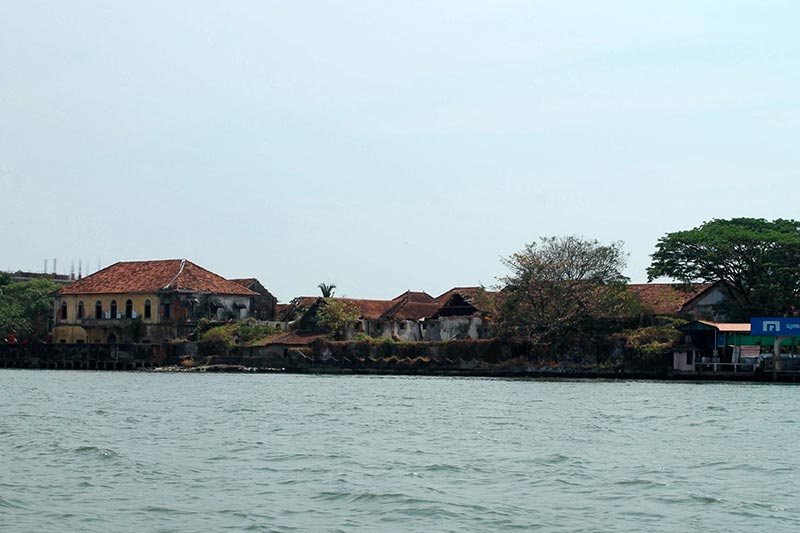
Fort Kochi is an example of the so-called Kerala architecture: simple forms, clear lines and a steep roof that protects against the frequent monsoon downpours. The construction was begun by the Portuguese, then the Dutch and the English made their own improvements. Today it is a whole labyrinth of narrow, in places still cobbled lanes and old buildings with arched windows, wrought-iron grilles and wooden details worn by time.
In Fort Kochi around 1503 the first European church in India appeared — the country’s oldest Christian church, the Church of Saint Francis. It was here that Vasco da Gama was buried in 1524, which is why the church is often associated with his name. When the English took possession of the fort, the church passed to the Anglican Church.
Fort Kochi — interesting photos




The famous Portuguese
In 1524 in Kochi died the famous Portuguese navigator Vasco da Gama — the first to lay the sea route from Europe to India. In the last years of his life he held the post of governor and viceroy of Portuguese India. After his death his body was buried in the church on the territory of the fort. About a decade and a half later the navigator’s remains were returned to Portugal, and almost three centuries after that they were reinterred in the Jerónimos Monastery in Lisbon.
This was already Vasco da Gama’s third expedition to India. The sixty-four-year-old navigator was accompanied on the voyage by his two grown-up sons. On arriving in Cochin, da Gama was unpleasantly surprised by the bribery and abuses of the colonial administration and began with a firm hand to bring order to the territory entrusted to him. But at the end of December 1524 malaria cut short the affairs of this brave man.
Attractions of Fort Kochi
Along the shore of Fort Kochi, right at the mouth of the harbour — opposite the island of Vypin — huge sails stretched on wooden frames flutter over the water. These are the famous Chinese fishing nets. On a long, sturdy beam, fixed at one end to a platform, a frame with a stretched net is held horizontally. With the onset of high tide a team of several people lowers the tackle into the water, and by low tide raises it with the catch.
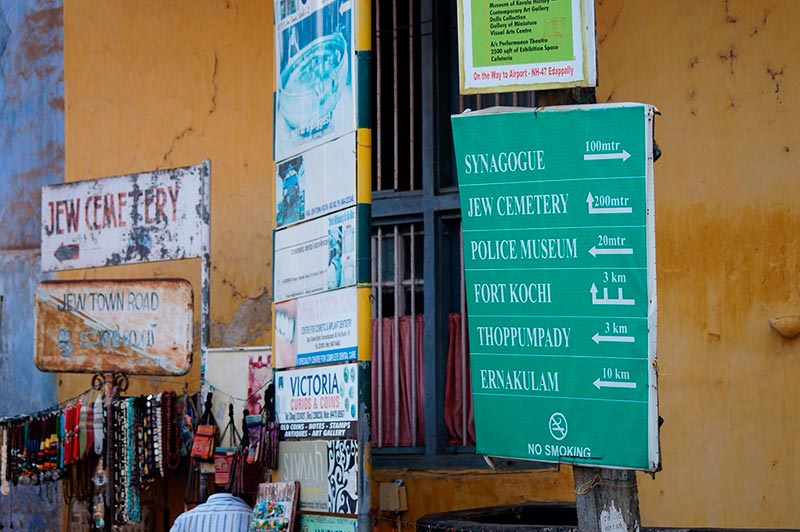
On the territory of Fort Kochi there are the Indo-Portuguese Museum, an old Dutch cemetery of the colonial period, a maritime museum and Hindu temples, and nearby, in the Jewish quarter, the Paradesi Synagogue. At the end of December a colourful Cochin Carnival is held here. Along the shore are scattered small cafés, little restaurants and souvenir shops; the seafood here is always fresh — you can ask the cook to prepare the fish right in front of you.
Hotels located near Fort Kochi
Information for tourists
The climate of the Arabian coast is comfortable for Europeans: there is no extreme heat or cold here. But the monsoons bring heavy rains, sometimes real tropical downpours. The best time for a trip is from November to March: the weather is moderately warm, suitable both for a beach holiday and for excursions. The fort is located at the mouth of the city harbour; you can get here by bus or ferry.
Fort Kochi is often included in Ayurvedic tours to India: walks around the old town go well with a wellness programme.