Valiathura Pier
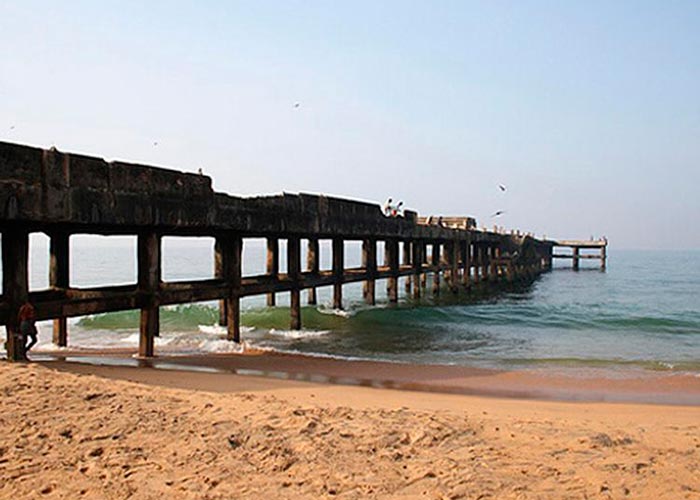
In the capital of the southern Indian state of Kerala, the city of Trivandrum, there is a suburb of Valiathura. Thanks to its favourable location, it does not suffer from the monsoon tides as much as the surrounding areas, which is why the only port on the whole coast was once located here. After the new port of Kochi became the centre of maritime transport in the south-west of Kerala, the importance of Valiathura diminished. But the famous two-hundred-metre pier is still used by fishermen and attracts tourists.
The history of the Valiathura Pier
Several centuries ago, in the days of the principality of Travancore, this port was the only centre for exporting spices and other valuable goods from Kerala to the Western countries. Historians believe that a port existed on this site as early as before the beginning of our era.
In 1956, in the busy and crowded port of Valiathura, a pier stretching far out to sea was opened. In this place the coast is slightly higher, which the construction engineers took advantage of. Two hundred and fourteen metres of sturdy decking were supported by one hundred and twenty-seven piles. Almost 600 tonnes of cement and 250 tonnes of steel went into building the mole. The cargo was handled by four three-tonne cranes and one ten-tonne crane. Often the port served up to fifty vessels a day.
In the eighties of the last century, part of the freight traffic was redirected to the new port of Kochi, and Valiathura was declared a «dead port». The point is that the pier is located in shallow waters, and ocean ships could not come right up to it — the goods had to be transferred to small vessels and delivered to the shore. The depth of the sea at the port of Kochi makes it possible to do without this extra work. But to this day fishermen use the pier when huge waves prevent their boats from mooring in other places along the coast.
According to many years of observation, the waves in the Valiathura area never rose above four metres. However, recently specialists have noticed changes in the shape and strength of the waves — perhaps this is why a few years ago the pier was partly destroyed during a storm. Part of the beach collapsed into the sea, several of the 127 piles fell, and the ramp connecting the pier to the shore sagged slightly but held.
Photos of the Valiathura Pier


Where the pier is located
Eight kilometres from the centre of the capital of Kerala is Shanghumugham Beach, and nearby the long ribbon of the famous pier stretches out to sea. From Trivandrum, scheduled buses and taxis run constantly to the resort areas; a public transport stop or a taxi can be found anywhere in the city.
A magnet for tourists
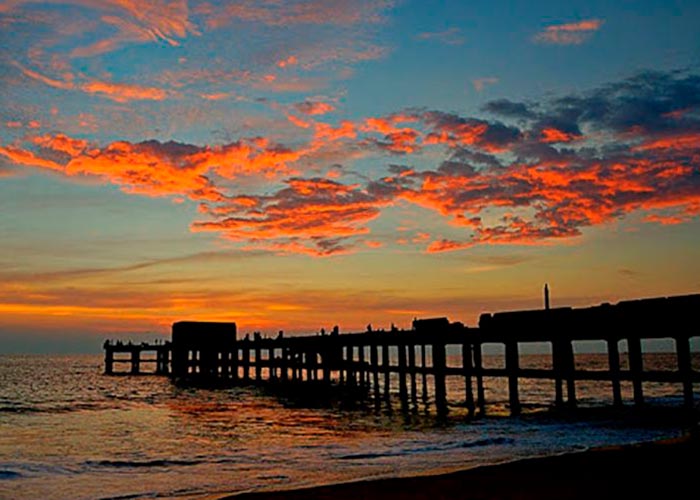
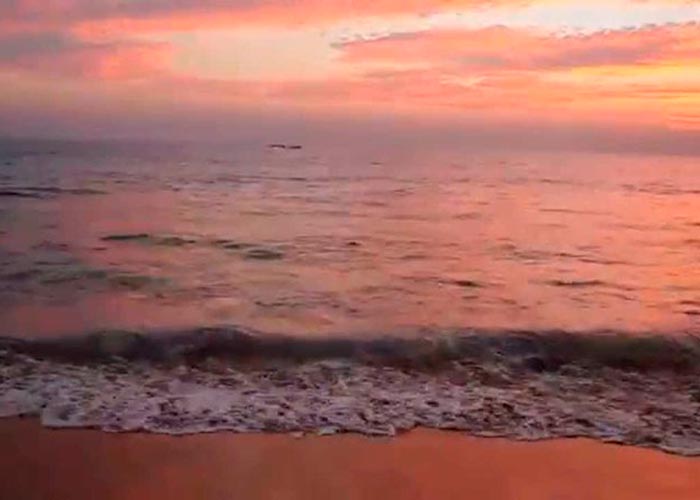
A walk along the long mole, under the cool breeze, over the waves rustling below, is pleasant in itself — but the main merit of the pier lies elsewhere. From its far point you can take magnificent shots: a panorama of the ocean with a string of clouds in the sunset sky, or a portrait against the backdrop of the waves. In good light, colourful little fish in the depths of the sea come into the lens. Or you can simply capture an excellent landscape without the ubiquitous traces of civilisation.
Interesting places located near the Valiathura Pier
When to go
For the safety of tourists, access to the pier is closed during strong tides. In the summer months, hurricane storms come down on the coast, and the monsoons bring tropical downpours — you certainly will not be able to calmly admire the sea surface at this time. Moreover, to be on the pier, mercilessly battered by huge waves, is simply life-threatening.
In the winter months the monsoons and rains on the coast of Kerala cease: the weather is warm and dry, without the heat that wearies Europeans. Experienced travellers choose the season from late autumn to early spring for their trip. The best weather — and the highest prices — in these parts are in the period from early December to the end of January.
Trivandrum and its surroundings are a popular destination for Ayurvedic tours to Kerala: the sea and wellness complement each other well.