
−15%
Sale
Ayurveda is an ancient Indian teaching about life. It is a set of rules that allow you to keep your soul and body pure, helping to maintain health. Hindus believe that regular cleansing of the body is the key to a long and active life. The traditional seasonal complex of purification procedures, Panchakarma, includes Vamana Karma, Basti Karma, Rakthamokshana Karma, Nasya Karma, and Virechana Karma. Each procedure is responsible for cleansing a specific area of the body, and the complex as a whole is aimed at restoring the balance of internal energies, harmonising a person's connections with nature and society.
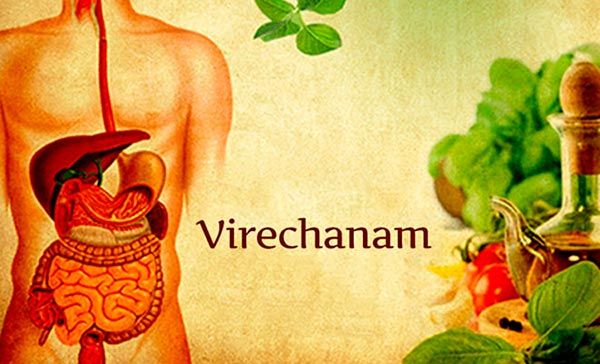
Ayurvedic seasonal «body cleansing» contains several stages:
Ayurvedic bodily purification according to Panchakarma It includes an enema. However, it can only cleanse the large intestine. It does not affect the sections above. Virechana helps to cleanse the small intestine, liver, and gallbladder.
Laxative formulations for Virechana are selected taking into account a person's constitution and health status. Those with a sensitive gut require mild Ayurvedic preparations. Individuals with a slow metabolism or those who typically experience difficulty with defecation will need stronger preparations or increased doses. Performing Virechana with an unsuitable formulation is very risky.
Ayurvedic texts contain over three hundred recipes for laxatives. The correct selection of a composition suitable for a specific patient can only be made by a qualified Ayurvedic healer.
The small intestine connects the stomach to the large intestine, and it is the longest section of the digestive tract. It is in this section that:
Most medications, as well as poisons and toxins, are absorbed through the small intestine. If this section is filled with accumulated waste products over many years, the body simply cannot function properly. Liver and gallbladder function deteriorates, immunity decreases, and circulatory problems may arise, and so on. Furthermore, the waste products themselves rot, producing poisons and gradually poisoning the body. The Ayurvedic detoxification procedure, Virechana, can help avoid most of these problems.
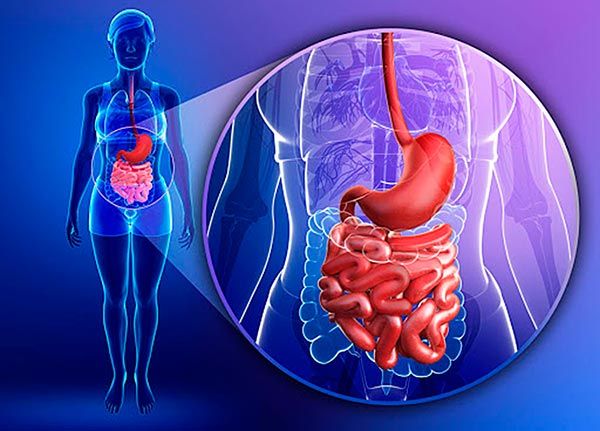
It is important to remember that «toxins» accumulate constantly, so an Ayurvedic virechana procedure should be performed regularly.
Normal diarrhoea is a natural way to get rid of dangerous substances, a signal of problems. It occurs with disturbances in the functioning of the gastrointestinal tract, liver, gallbladder, poisoning, and infectious diseases. It is not a disease, but the body's cry for help.
Ayurvedic Virechana is a process of natural defecation induced by herbal preparations. Once the human body is cleared of toxins, the purgation ends. Residual effects may be observed for a couple more days, and then they too disappear.
Uncontrolled diarrhoea can be life-threatening. A large amount of fluid and trace elements are lost with the stool. Possible consequences include dehydration, vitamin deficiency, mineral deficiency, and anaemia.
Viruchana is indicated in the following cases:
Ayurvedic virechana is strictly forbidden for pregnant women, young children, and the elderly. The use of laxatives is also prohibited if there are traces of blood in the stool, or if the individual is suffering from exhaustion, dehydration, or a high fever. Furthermore, the procedure is contraindicated for patients with weak digestion, ulcerative colitis (Crohn's disease), fistulas, or rectal cancer, regardless of age or health condition.
According to Ayurveda, the procedure is best performed during the waning moon (after the full moon). For the maximum effect from virechana, prior preparation is necessary – complete oiling of the body (external and internal) for three to five days. Under the action of oils, accumulated toxins «detach» from the intestinal walls and move into the small intestine area.
В Ayurvedic clinics Training is much easier than at home. However, if it is not possible to perform external oleation, you can opt for taking the mixture internally. Ayurveda recommends drinking the composition once a day, in the morning before 8 AM. For the first time, one tablespoon is enough, for the next dose, the amount is doubled. And so on until the volume reaches 60 ml. The choice of compositions for oleation and virechana should be made by an Ayurvedic specialist. In general, compositions based on castor oil with Ayurvedic additives are used for virechana.
The dosage and composition of Virechana purgatives are individual. An Ayurveda doctor must provide recommendations after a full patient examination.
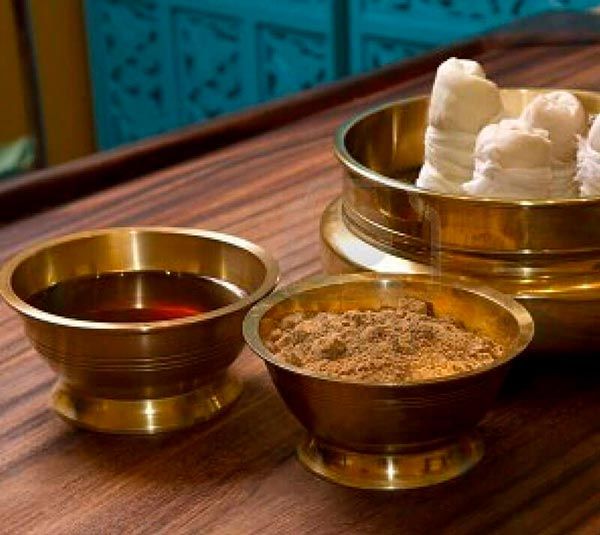
For an Ayurvedic procedure, you'll need to set aside a day off or a day free from other commitments. The intake of Ayurvedic laxatives or castor oil is timed for midday or midnight:
After eating, you need to relax and rest to avoid interfering with the digestive process. Approximately three to five hours later, the natural process of defecation begins. The interval between intake and emptying, stool volume, and the number of toilet trips are individual for each patient. According to Ayurveda, There should be at least five emptied.
During the procedure, mild intestinal cramps and discomfort in the anal area may occur. Usually, these symptoms are not a cause for concern and resolve on their own. In Ayurvedic clinics, doctors monitor the process, and at home, it is advisable to have a specialist's phone number readily available for timely consultation.
Approximately 2.5 hours should pass after eating. During this time, the hummus will have left the stomach and moved to the small intestine.
According to Ayurveda, the following rules must be observed when performing Virechana:
The entire day allocated for observing virechana, physical and mental exertion should be avoided. In some Ayurvedic clinics, even reading is not recommended so as not to strain the eyes. Allowed Easy yoga poses before taking castor oil.
After the procedure is completed, Ayurvedic specialists do not recommend for several days:
It is also worth avoiding any situations involving the lower body becoming too cold. It is advisable to eat only light, freshly prepared food, and to refrain from sexual intimacy for a short period. The ideal situation is warmth and complete relaxation.

Ayurvedic small intestine cleansing is Therapeutic and health-improving procedure. Cleansing can be carried out regularly, both in a specialised clinic and at home. The only thing not to forget is that the selection of the laxative composition must be carried out by a qualified specialist. Errors in carrying out the cleansing or choosing the wrong remedy will lead to unpleasant consequences. If the composition is too strong or the dose is too large, there is a real threat of dehydration. If, however, the remedy is too weak, the cleansing will not achieve its goal, and the small intestine will not be completely cleared.
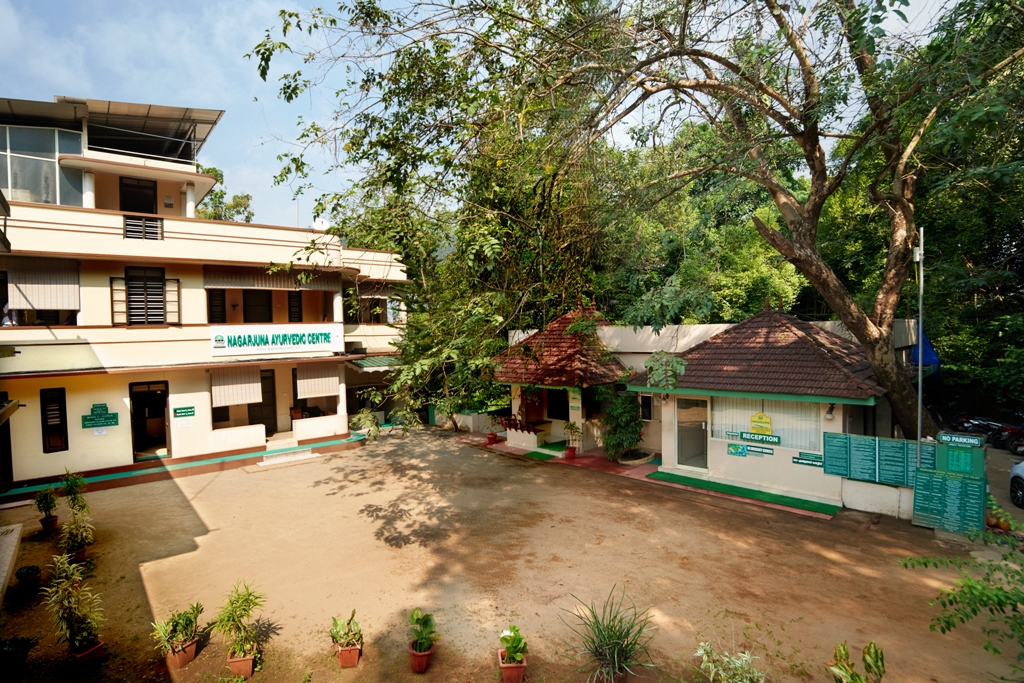
Kollam, Kerala


Guruvayoor, Kerala

Guruvayoor, Kerala

Kuttanad, Kerala






Guruvayoor, Kerala



Leave an application – our specialist will contact you and help you choose a programme and clinic to suit your request and budget.
Thank you, we have received your request. Our specialist will contact you shortly to clarify your requirements and assist you with your selection.