−15%
Sale
The word «shirodhara» consists of two roots: «shiro» — from Sanskrit «head», and «dhara» — «stream». This is both the name and an exact description of the procedure: a continuous thin stream of warm oil composition pours onto the forehead, into the area that in Ayurveda is associated with the «third eye». Shirodhara is often called an oil head massage, although in essence it is not a massage but precisely an even flow of warm oil.
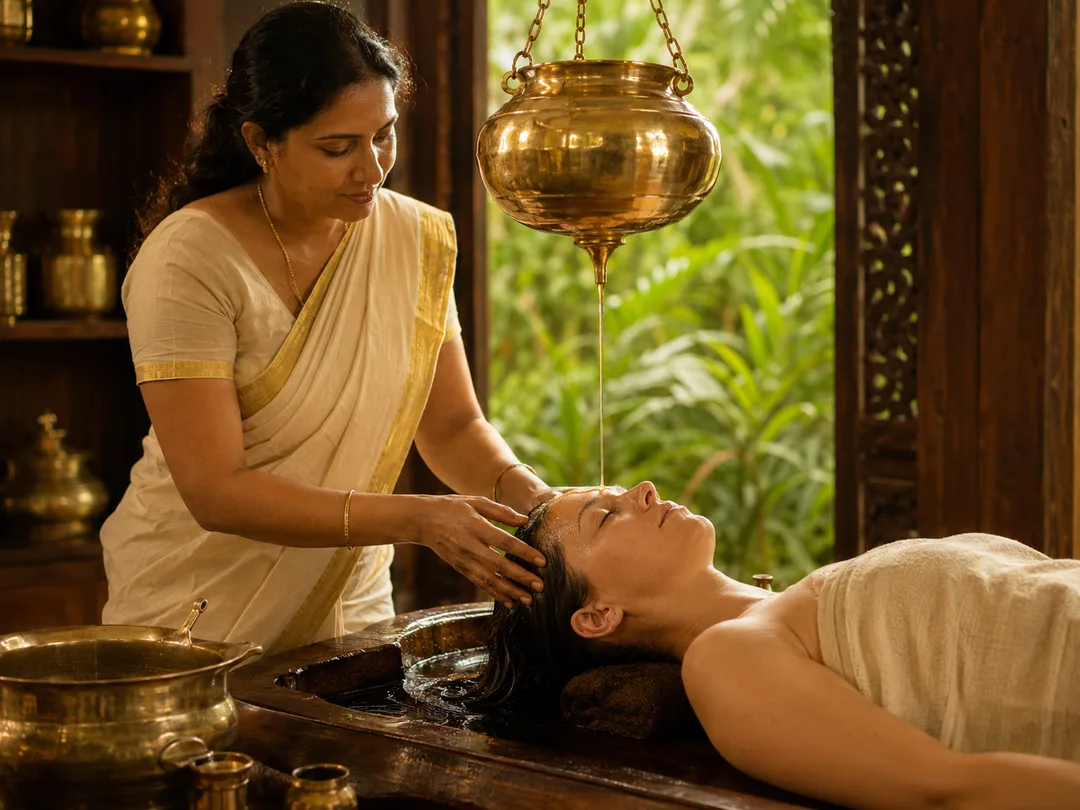
Most often for shirodhara sesame oil is taken — it warms. Ayurvedic doctors consider that the best effect is given by a composition of vegetable and essential oils selected to suit the person’s constitution.
In Ayurvedic clinics of India a session lasts from 20 to 90 minutes; there is a shortened variant of 10–15 minutes. It is advisable to undergo shirodhara as a course — from 3 days to 3 weeks. At home it is also practised, but this is technically not easy (about this — below).
Depending on which liquid is poured onto the forehead, several types of shirodhara are distinguished — they are traditionally selected to suit the type of dosha imbalance:
Which composition suits you exactly is determined at the clinic by the doctor after a diagnosis.
The main thing is deep relaxation and the relief of tension; along with it, it is a gentle care of the scalp and hair. Warm oil relaxes the facial muscles, the face smooths out, and after it the whole body relaxes. A feeling of detachment from everyday cares arises.
Many describe the state as lightness, deep calm, close to meditation. In such a setting it is easier to switch off from stress and calmly think over complex questions. The stability of the effect is higher with a course.
Shirodhara is traditionally applied first of all as a relaxing procedure in conditions connected with stress:
Shirodhara is a gentle procedure. Still, there are situations when it is better not to carry it out.
Contraindications (according to Ayurveda shirodhara is not done):
These restrictions are needed so that a person can fully relax and the body does not experience overload.
In India a special copper vessel with a small hole in the bottom is used for the procedure. The room should be warm, light and aired; in clinics there are separate rooms and equipment for this.
After the session it is important to preserve the relaxed state as long as possible. In clinics at the final stage a light massage and/or a warm bath with herbs is done. At home it is harder to achieve such full relaxation — in the clinic the staff take care of all the technical trouble.
At first glance the procedure is simple, but there are technical points:
As a result, instead of resting, at home you have to get involved in cleaning up — and this is extra stress, from which shirodhara is precisely supposed to relieve. Therefore a full course is better undergone at a clinic — for example, on tours to India.
Shirodhara, carried out according to the rules of Ayurveda, brings calm and relieves nervous tension: the facial muscles relax, the «mask» of fatigue goes away, and a calm mind more easily makes considered decisions. This is not a cosmetic procedure done «in passing». Shirodhara is classed as oiling — Snowfall, alongside Ayurvedic massage Abhyanga.
Shirodhara is a relaxing practice of Ayurveda, not a replacement for treatment; with illnesses it is undergone only after consulting a doctor.
Shirodhara is carried out both separately and as part of Panchakarma programmes — course cleansing at clinics of India.
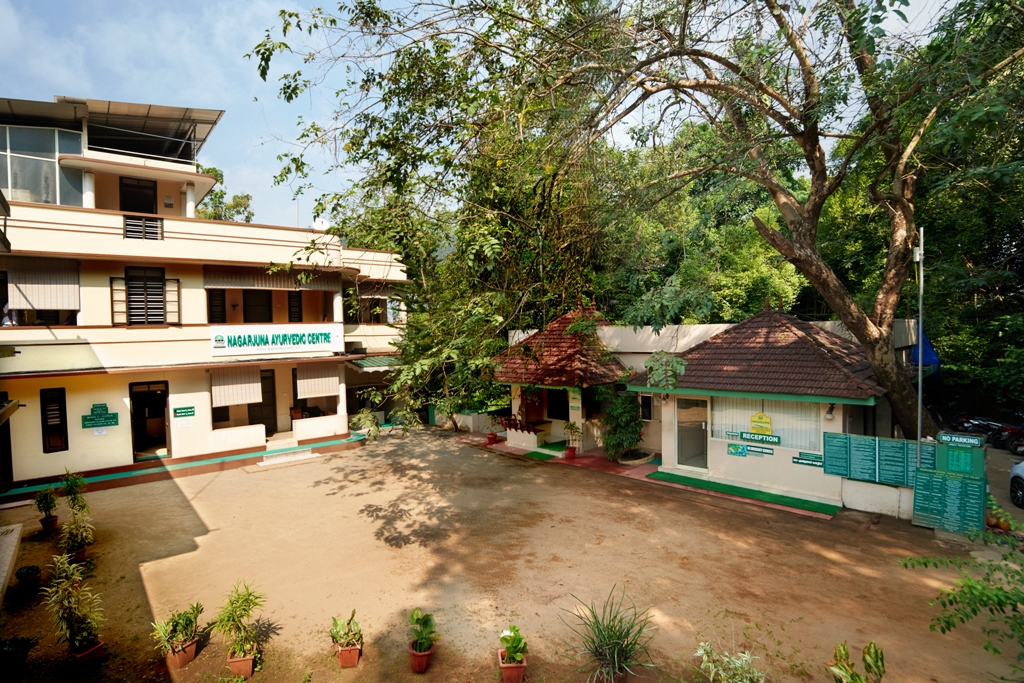
Kaladi, Kerala


Guruvayoor, Kerala

Guruvayoor, Kerala

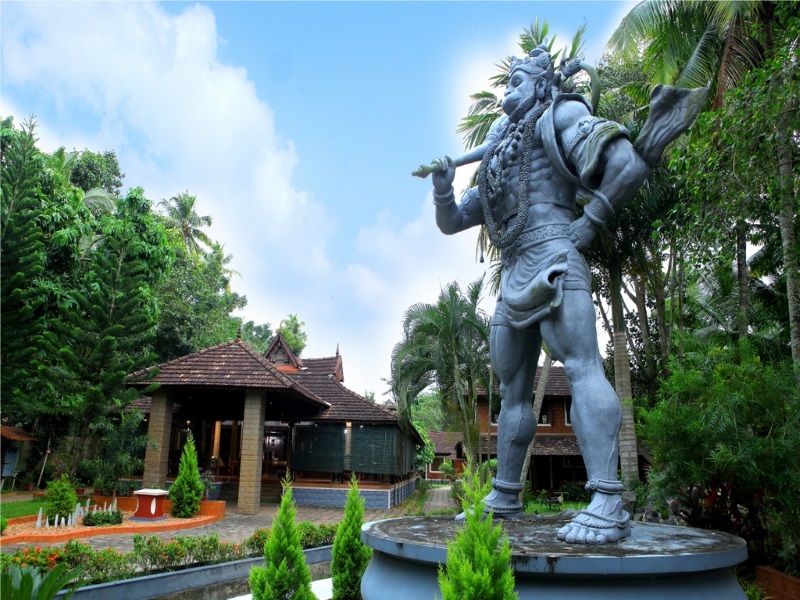


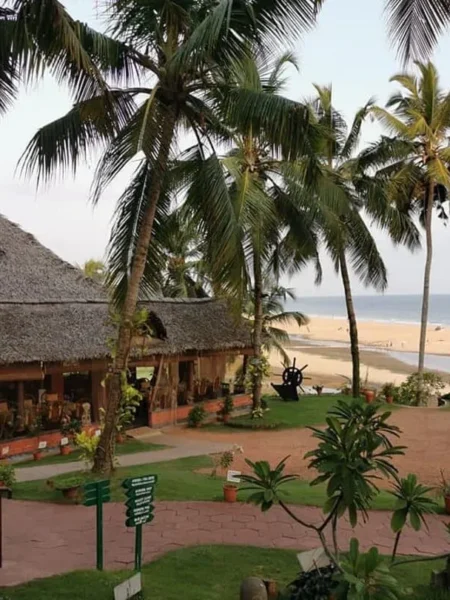


Guruvayoor, Kerala


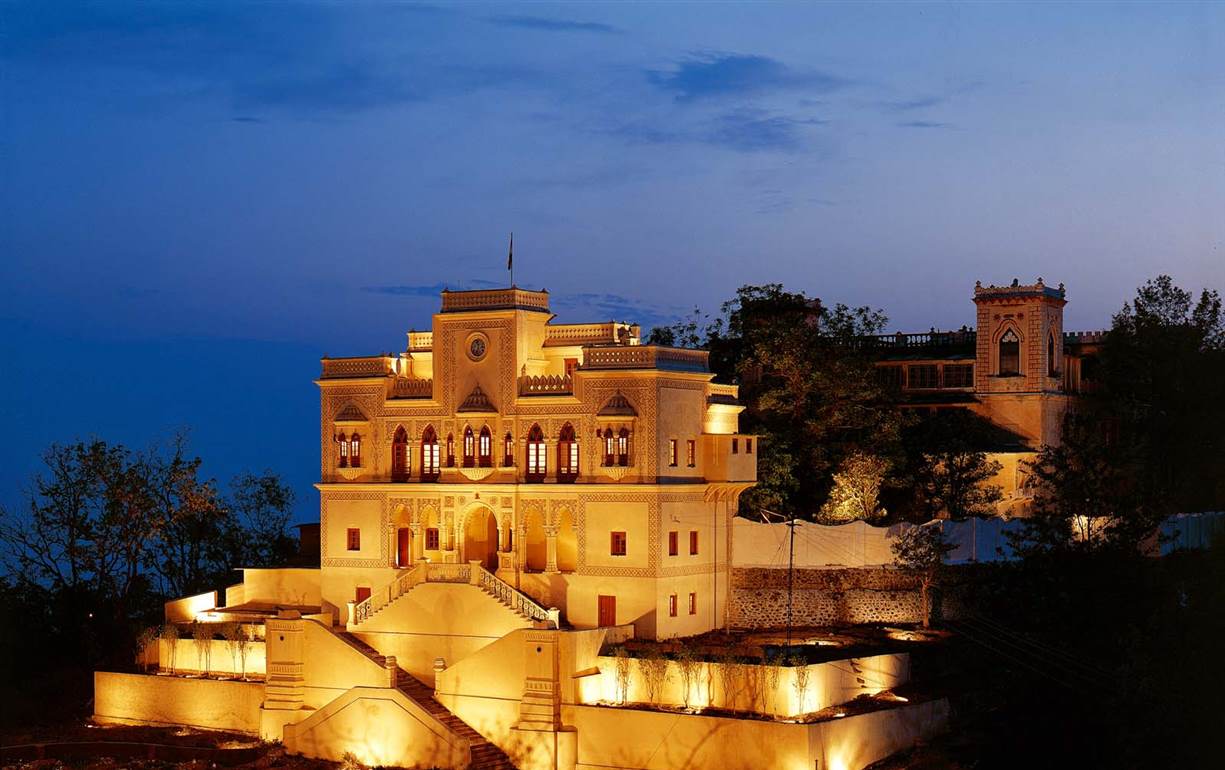
It is an Ayurvedic procedure in which warm oil (or milk, a decoction) pours onto the forehead in a continuous thin stream. The main task is deep relaxation and the relief of stress.
In clinics of India — from 20 to 90 minutes, there is a short variant of 10–15 minutes. A lasting effect is given by a course of 3 days to 3 weeks.
Not only. Besides oil (tailadhara), warm milk (kshiradhara), buttermilk whey (takradhara, «on kefir») and water or a decoction (jaladhara) are used. The composition is selected to suit the constitution and the task.
No. It is often called an «oil head massage», but in essence it is not a massage but an even flow of warm oil onto the forehead. Massage (abhyanga) is a separate procedure.
Technically it is possible, but difficult: a flat surface, a special copper vessel with a fixing, are needed, and then the spilled oil takes a long time to clean up. The full relaxing effect is easier to get at a clinic.
It is usually not bought separately — in clinics of India shirodhara is part of Ayurvedic programmes and Panchakarma. The final cost depends on the clinic and the length of the course (specific prices — in the clinic cards in the catalogue).
With a cold and infections, immediately after food/alcohol/heavy exertion, on an empty stomach, for children under 5 and the elderly over 80. With chronic illnesses — first consult a doctor.
Ready to try shirodhara in practice? We will select a clinic and a programme to suit your task.
Thank you! Your review will appear on the site after moderation.
Thank you! Your review is now live on the site.
Submit a request – our specialist will contact you and help you choose a programme and clinic to suit your request and budget.
Thank you, we have received your request. Our specialist will contact you shortly to clarify your requirements and assist you with your selection.